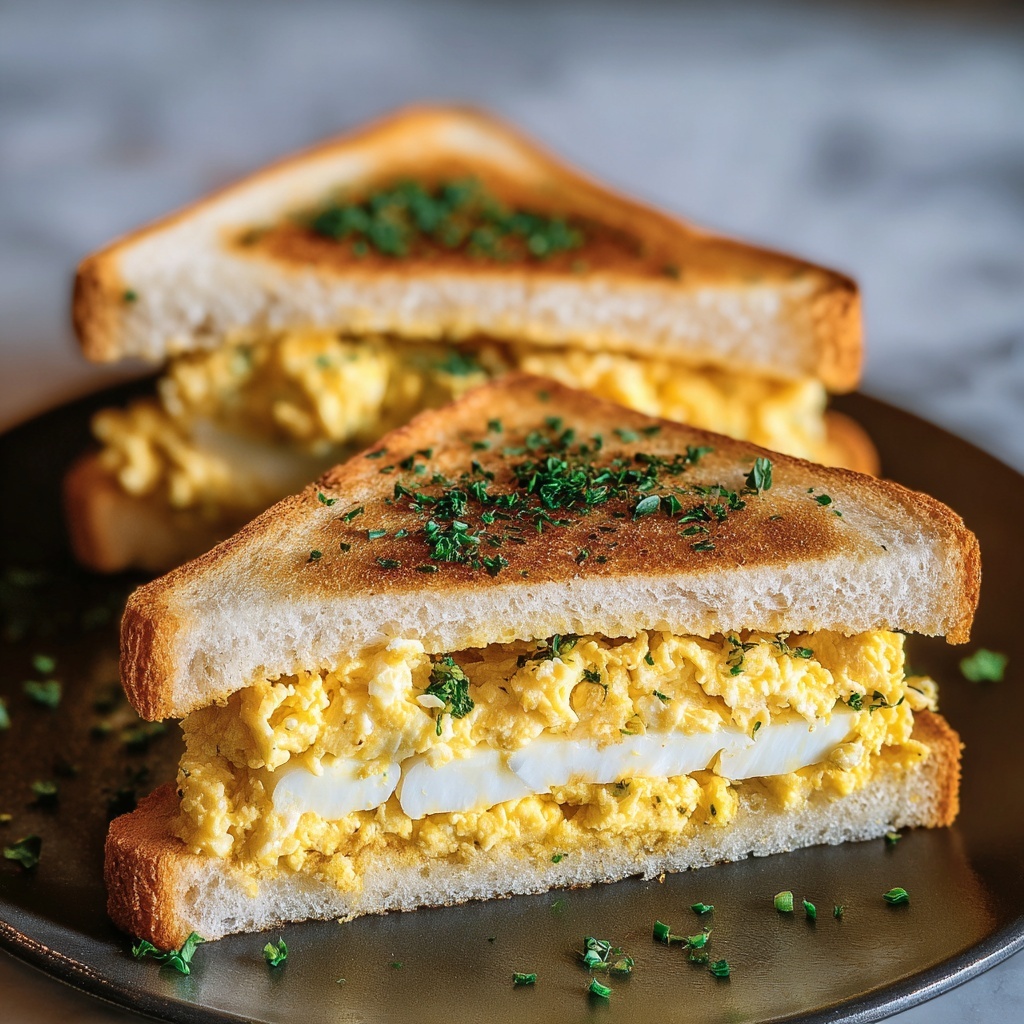
If you’ve ever found yourself craving a snack that’s both delightfully simple and utterly satisfying, let me introduce you to the Japanese Egg Sandwich (Tamago Sando) Recipe. This classic Japanese treat elevates the humble egg sandwich to an art form, featuring soft, pillowy milk bread wrapped around a luscious, creamy egg filling. It’s the perfect blend of textures and flavors that can brighten up any lunch or snack time, proving just how a few thoughtfully combined ingredients can create something truly magical.

Ingredients You’ll Need
The magic of a perfect Japanese Egg Sandwich lies in its simplicity—each ingredient plays a crucial role in delivering that melt-in-your-mouth experience. From the rich eggs to the tender shokupan bread, here’s what you’ll need to make this delight.
- 6 large eggs: These form the creamy, flavorful heart of the sandwich when boiled and mashed to perfection.
- 2 tablespoons Japanese mayonnaise (such as Kewpie): Adds a slight sweetness and tang that’s signature to authentic tamago sando.
- 1 teaspoon Dijon mustard (optional): Offers a subtle kick that balances the creamy eggs without overpowering.
- Salt and white pepper to taste: Seasoning that enhances and rounds out the delicate flavors.
- 4 slices Japanese milk bread (shokupan) or soft white sandwich bread: Its soft, fluffy texture is essential for that pillowy, melt-in-your-mouth sensation.
- Softened butter for spreading (optional): Adds richness and a slight layer of moisture between the bread and filling.
How to Make Japanese Egg Sandwich (Tamago Sando) Recipe
Step 1: Perfectly Boil the Eggs
Start by placing your eggs in a pot filled with cold water, just enough to cover them completely. Bring the water to a rolling boil, then reduce the heat and let the eggs simmer gently for 9–10 minutes. This timing yields firm, fully cooked yolks that remain creamy inside. Once done, transfer the eggs into an ice bath to cool down quickly; this not only stops the cooking but also makes peeling them a breeze.
Step 2: Prepare the Egg Filling
Peel the eggs and set two yolks aside for mashing separately if you want that extra creamy texture. Roughly chop the remaining eggs to add a bit of texture to the filling. In a bowl, mash the reserved yolks together with the Japanese mayonnaise, Dijon mustard if you’re using it, and a pinch of salt plus white pepper. Next, gently fold in the chopped eggs to combine everything into a lush, fluffy mixture that isn’t too smooth but delightfully creamy.
Step 3: Assemble Your Sandwich
If you like, spread a thin layer of softened butter on your bread slices for a slight richness that complements the egg filling. Spoon a generous amount of the egg mixture onto one slice, then top with another slice of bread. To achieve the traditional Japanese styling, trim off the crusts and slice the sandwich in half. The result is a neat, inviting sandwich packed with flavor, perfect for serving chilled or at room temperature.
How to Serve Japanese Egg Sandwich (Tamago Sando) Recipe

Garnishes
Although the Japanese Egg Sandwich is wonderful on its own, a light sprinkle of finely chopped chives or microgreens can add a fresh, vibrant touch that brightens the creamy filling. A dash of shichimi togarashi, a Japanese seven-spice blend, can also add a subtle hint of warmth and complexity if you’re feeling adventurous.
Side Dishes
This sandwich pairs beautifully with simple, clean sides like a crisp green salad dressed in a light vinaigrette or a bowl of miso soup to lean into the Japanese theme. Crunchy pickles or a handful of edamame beans make excellent accompaniments for a balanced, satisfying meal.
Creative Ways to Present
For a fun twist, cut the Japanese Egg Sandwich into small, bite-sized squares for a picnic or party platter. You can also layer some thin slices of cucumber or avocado inside for added texture and freshness. Wrapping each sandwich half in wax paper and tying with a string gives an adorable, café-style presentation that’s sure to impress.
Make Ahead and Storage
Storing Leftovers
Because the filling contains mayonnaise and eggs, it’s best to store any leftover sandwiches in an airtight container in the refrigerator. They will keep well for up to 24 hours, making them a handy and delicious option for next-day lunches.
Freezing
Freezing the sandwich isn’t recommended since the bread and egg filling can become soggy and lose their pleasant texture upon thawing. For the freshest experience, it’s better to prepare just enough to enjoy right away or within the day.
Reheating
Since this sandwich is typically served chilled or at room temperature, reheating isn’t necessary and may compromise its creamy texture. If you prefer it slightly warm, a few seconds in the microwave can help but avoid overdoing it to keep that iconic soft and moist quality.
FAQs
What kind of bread is best for Japanese Egg Sandwich (Tamago Sando) Recipe?
The ideal bread for tamago sando is Japanese milk bread, or shokupan, which is soft, slightly sweet, and fluffy. It helps create that signature pillowy texture in every bite. If you don’t have shokupan, a good quality soft white sandwich bread works as a substitute.
Can I make this sandwich vegan or dairy-free?
This traditional recipe relies heavily on eggs and mayonnaise, which typically contains eggs as well. For a vegan twist, you could try using mashed chickpeas or silken tofu with vegan mayo, but it will stray from the authentic taste and texture of the Japanese Egg Sandwich.
Why use Japanese mayonnaise instead of regular mayo?
Japanese mayonnaise, like Kewpie, is creamier and slightly sweeter and tangier than regular mayonnaise. This unique flavor profile is key to capturing the authentic taste of the Japanese Egg Sandwich and balancing the richness of the egg yolks beautifully.
How do I make the egg filling extra creamy?
For an extra creamy filling, set aside and mash a couple of the yolks separately before folding them into the chopped egg whites. Mixing these mashed yolks with Japanese mayo creates a luscious texture that’s a hallmark of tamago sando.
Is it okay to add other ingredients to the filling?
The classic Japanese Egg Sandwich is all about delicate balance, so simple seasoning is best. However, a small amount of finely chopped scallions, a pinch of sugar, or even a dash of soy sauce can be added to tweak the flavor while keeping the traditional essence intact.
Final Thoughts
There’s something so comforting and satisfying about a well-made Japanese Egg Sandwich (Tamago Sando) Recipe. It’s a humble dish elevated by the quality of its ingredients and the love in its preparation, perfect for any time you want a quick, delicious bite. I truly encourage you to give this recipe a try and discover firsthand how such a simple combination can create something extraordinary. Once you’ve tasted it, I can promise it will become a cherished favorite in your kitchen too!
Print
Japanese Egg Sandwich (Tamago Sando) Recipe
- Prep Time: 10 minutes
- Cook Time: 10 minutes
- Total Time: 20 minutes
- Yield: 2 sandwiches
- Category: Snack or Lunch
- Method: Boiling
- Cuisine: Japanese
- Diet: Vegetarian
Description
This Japanese Egg Sandwich, known as Tamago Sando, is a creamy and fluffy egg salad sandwich made with soft Japanese milk bread (shokupan). It features perfectly boiled eggs mashed with Japanese mayonnaise and a touch of Dijon mustard, creating a delicate balance of flavors. Lightly buttered bread adds an extra layer of softness, making this sandwich a popular snack or light lunch, served chilled or at room temperature.
Ingredients
Egg Mixture
- 6 large eggs
- 2 tablespoons Japanese mayonnaise (such as Kewpie)
- 1 teaspoon Dijon mustard (optional)
- Salt to taste
- White pepper to taste
Bread
- 4 slices Japanese milk bread (shokupan) or soft white sandwich bread
- Softened butter for spreading (optional)
Instructions
- Boil the Eggs: Place the eggs in a pot and cover with cold water. Bring the water to a boil, then reduce the heat and let the eggs simmer for 9–10 minutes to achieve a firm but tender yolk.
- Cool and Peel: Transfer the boiled eggs to an ice bath to cool completely, which makes peeling easier. Once cooled, peel the eggs carefully.
- Prepare Egg Mixture: Separate 2 egg yolks from the peeled eggs to mash separately for extra creaminess (optional). Roughly chop the remaining eggs. In a bowl, mash the reserved yolks with Japanese mayonnaise, Dijon mustard if using, salt, and white pepper until smooth. Gently fold in the chopped eggs to maintain a creamy yet textured mixture.
- Assemble Sandwiches: Lightly butter each slice of bread if desired for extra flavor and softness. Spoon the egg mixture evenly onto one slice, then top with the other slice of bread.
- Finish and Serve: Trim the crusts off the sandwiches for the traditional Japanese look and slice each sandwich in half. Serve chilled or at room temperature for optimal flavor and texture.
Notes
- Use Kewpie mayonnaise for an authentic Japanese flavor; it’s sweeter and tangier than regular mayonnaise.
- Adding a pinch of sugar to the egg mixture can enhance the classic Japanese taste.
- Trimming the crusts is traditional but optional.
- Serving the sandwich chilled helps the creamy egg filling hold together better.