
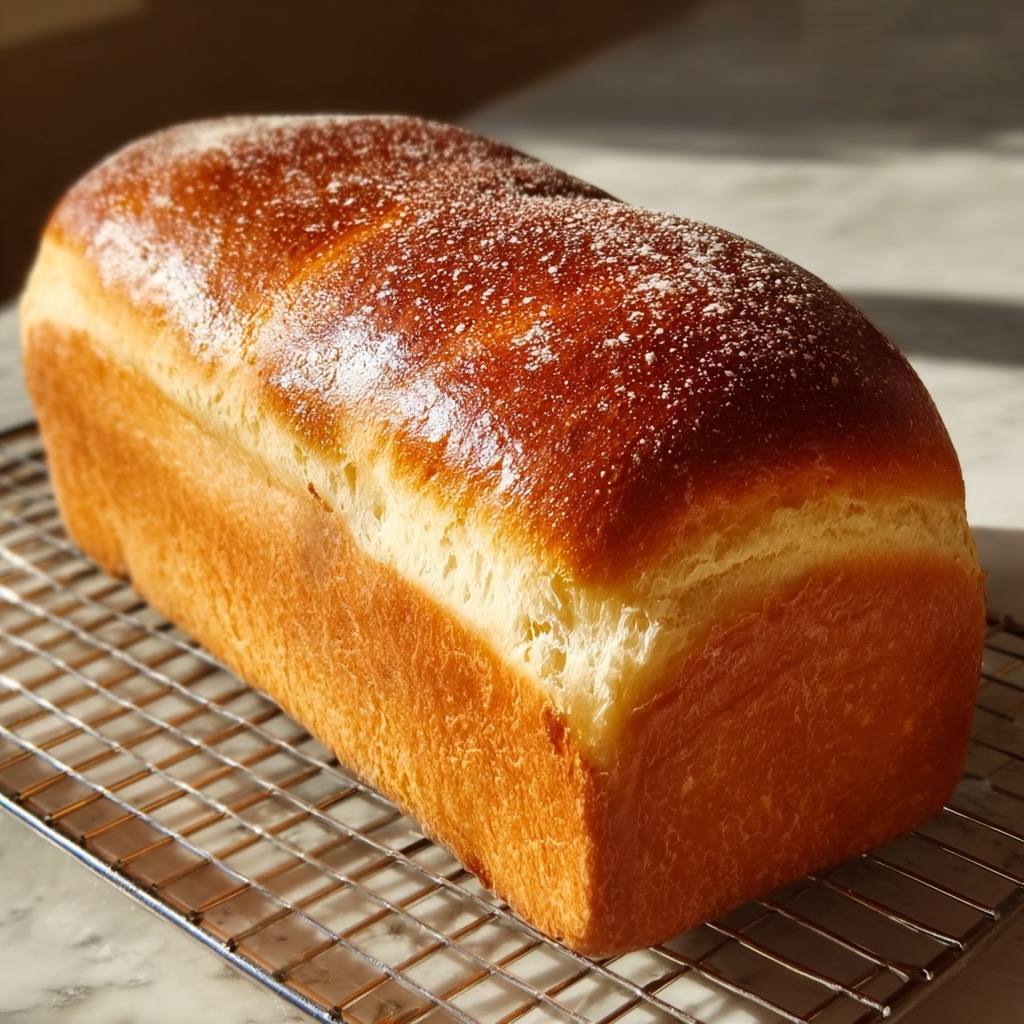
If you’ve ever dreamed of biting into a perfectly soft and fluffy sandwich, nothing beats the charm of making it yourself with this Homemade Sandwich Bread Recipe. It’s the kind of bread that fills your kitchen with warmth and invites everyone to gather around. With simple pantry staples and a little bit of love, you’ll create a loaf that is tender on the inside with a subtle golden crust, perfect for your favorite sandwiches, toast, or even just enjoying plain with butter.
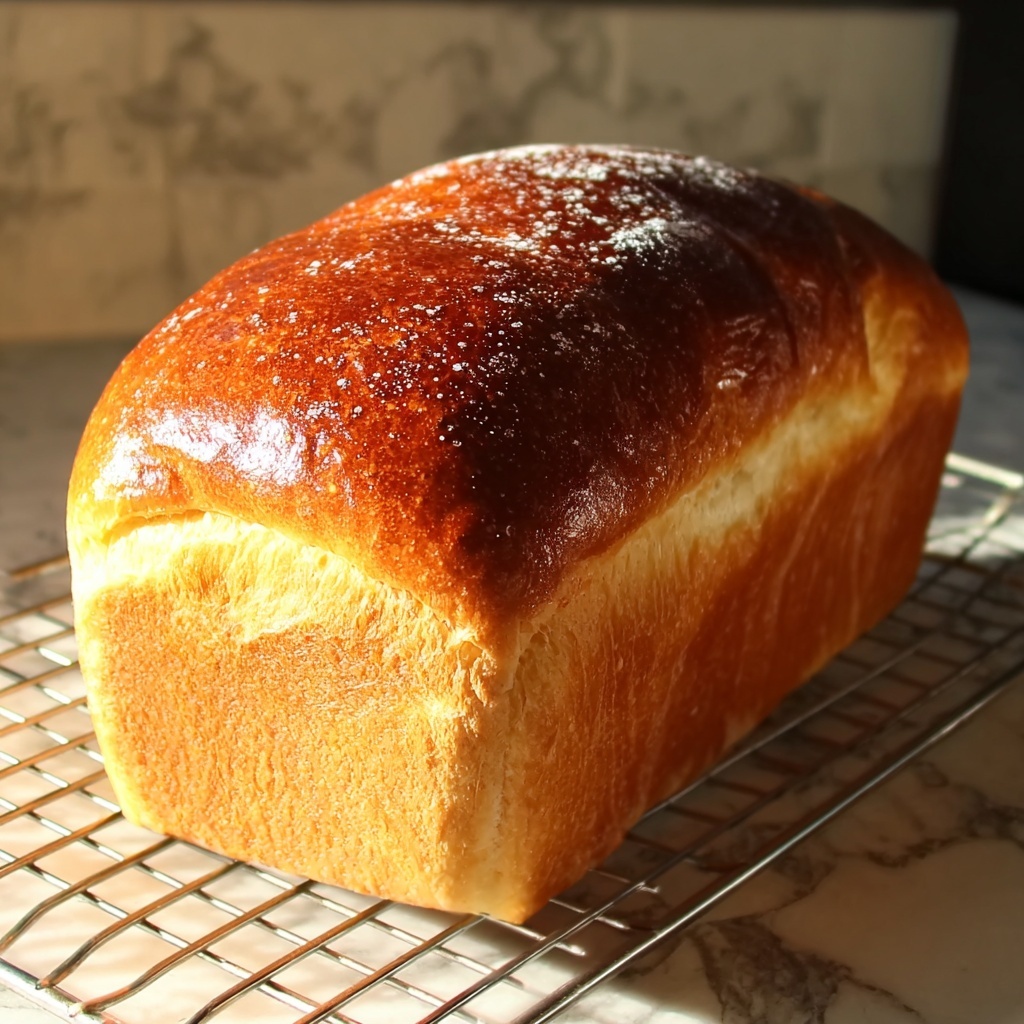
Ingredients You’ll Need
Each ingredient in this Homemade Sandwich Bread Recipe plays an important role in achieving that ideal texture and flavor. These simple essentials come together for a loaf that’s as delightful as it is straightforward to make.
- All-purpose flour: The backbone of your bread, providing structure and chewiness.
- Active dry yeast: The magic agent that helps your dough rise and become light and airy.
- Sugar: Just a touch to feed the yeast and add a hint of sweetness.
- Salt: Balances the flavors and enhances the overall taste.
- Warm water: Activates the yeast and hydrates the flour, forming the dough.
- Unsalted butter: Adds richness and tenderness to the crumb and crust.
How to Make Homemade Sandwich Bread Recipe
Step 1: Gather Your Ingredients
Before diving into mixing and kneading, make sure all your ingredients are measured and ready. Having everything at hand makes the process smooth and enjoyable.
Step 2: Mix the Dough
Start by whisking together the flour and salt in a large bowl — this ensures the salt is evenly distributed. Separately, combine warm water with sugar and active dry yeast; wait a few minutes until the mixture becomes frothy, signaling that the yeast is alive and ready.
Step 3: Knead the Dough
Turn your dough onto a floured surface and knead vigorously for 8 to 10 minutes. This develops the gluten, which is crucial for that perfect springy texture you’ll love biting into.
Step 4: First Rise
Place your dough ball into a greased bowl, cover it with a clean towel or plastic wrap, and let it rise in a warm spot for 1 to 1.5 hours. You’ll know it’s ready when it has doubled in size and feels soft and pillowy.
Step 5: Shape the Dough
Gently punch down your dough to release built-up gases, then shape it into a rectangle and roll it into a tight log. This shaping helps give your bread that classic sandwich loaf form.
Step 6: Second Rise in Loaf Pan
Place the shaped dough in a greased loaf pan, cover again, and allow it to rise for another 30 to 45 minutes. This final lift ensures your bread will bake up tall and filled with airy pockets.
Step 7: Bake the Bread
Preheat your oven to 350°F (175°C) and bake the loaf for 30 to 35 minutes. Your kitchen will start smelling irresistible as the crust turns a lovely golden brown.
Step 8: Cool Before Slicing
Once baked, remove the bread from the pan and cool it on a wire rack for at least 30 minutes. This resting stage is key to letting the crumb set so your slices hold together beautifully.
How to Serve Homemade Sandwich Bread Recipe
Garnishes
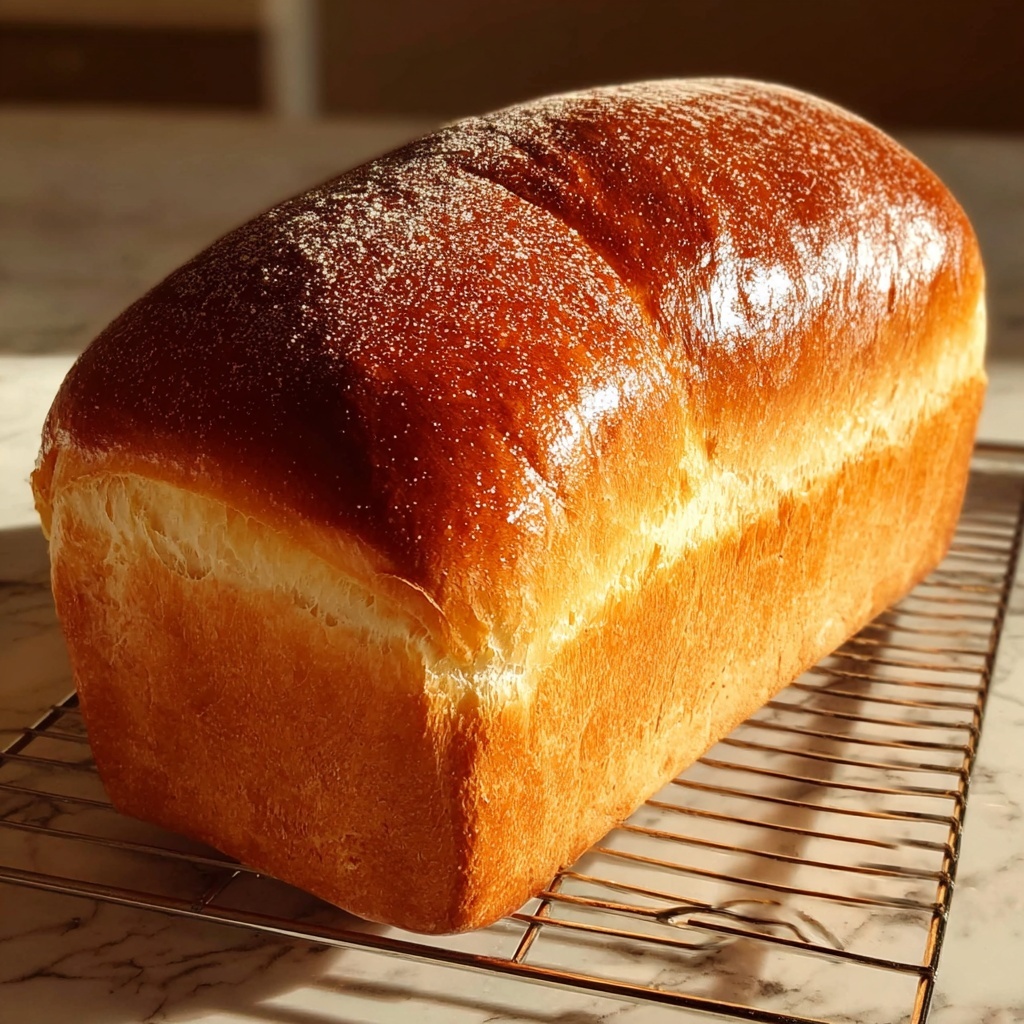
This bread’s soft, neutral flavor pairs wonderfully with a variety of garnishes. Spread a generous layer of creamy butter or your favorite jam for breakfast. For savory options, garlic butter or herb-infused olive oil add a fantastic twist.
Side Dishes
Serve your sandwich bread alongside fresh salads, steaming soups, or hearty stews. The bread’s tenderness soaks up broths and sauces perfectly, turning any simple meal into a comforting feast.
Creative Ways to Present
Transform your sandwich bread into finger sandwiches filled with colorful veggies and deli meats for gatherings or serve toasted bread cubes as croutons on top of salads. You can also use thick slices for avocado toast topped with everything bagel seasoning to impress your brunch guests.
Make Ahead and Storage
Storing Leftovers
Wrap your leftover sandwich bread tightly in plastic wrap or place it in an airtight container. Store at room temperature where it stays fresh and soft for up to 3 days, making it easy to enjoy over multiple meals.
Freezing
If you want to keep your bread longer, freezing is a great option. Slice the loaf before freezing in zip-top bags or wrap it well in foil. This method preserves freshness for up to 3 months, and you can thaw slices as needed.
Reheating
To bring back that just-baked warmth, toast your slices lightly in a toaster or oven. If frozen, let slices thaw to room temperature first or toast directly from frozen for a quick fix.
FAQs
Can I use bread flour instead of all-purpose flour?
Absolutely! Bread flour has a higher protein content which can give you a chewier texture and a higher rise. Feel free to substitute it in your Homemade Sandwich Bread Recipe if you prefer.
What if I don’t have active dry yeast? Can I use instant yeast?
Yes, instant yeast can be used as a substitute. You simply mix it directly with the dry ingredients and slightly reduce the amount of water since instant yeast absorbs moisture differently than active dry yeast.
Why is it important to let the dough rise twice?
Two rises allow the dough to develop more flavor and a better texture. The first rise gives the yeast time to produce gases that puff up the dough, while the second rise perfects the shape and results in a finer crumb inside the bread.
Can this bread be made gluten-free?
This classic Homemade Sandwich Bread Recipe uses gluten to create structure, so it won’t work as written for gluten-free diets. However, with a mix of gluten-free flours and binders, you could try specialized gluten-free bread recipes instead.
How can I make the crust softer?
If you prefer a softer crust, brushing the top of the bread with melted butter right after it comes out of the oven helps keep it tender and flavorful. Covering the bread with a clean towel while cooling also prevents the crust from hardening too much.
Final Thoughts
Baking your own Homemade Sandwich Bread Recipe is such a satisfying experience. It brings an amazing aroma to your home and a fresh, wholesome taste that store-bought bread just can’t match. I can’t wait for you to give it a try and enjoy the magic of homemade bread in every slice!
Print
Homemade Sandwich Bread Recipe
- Prep Time: 20 minutes
- Cook Time: 35 minutes
- Total Time: 2 hours 15 minutes
- Yield: 1 loaf (about 12 slices)
- Category: Baking
- Method: Baking
- Cuisine: American
Description
This homemade sandwich bread recipe creates a soft, fluffy loaf perfect for sandwiches or toast. Using simple ingredients like flour, yeast, and butter, the bread rises beautifully and bakes to a golden crust with a tender crumb. Ideal for beginners, this classic bread delivers fresh, bakery-quality flavor at home.
Ingredients
Dry Ingredients
- 4 cups (500 grams) all-purpose flour
- 2 teaspoons (7 grams) active dry yeast
- 2 tablespoons (25 grams) sugar
- 1 teaspoon (6 grams) salt
Wet Ingredients
- 1 and 1/2 cups (360 ml) warm water
- 2 tablespoons (30 grams) unsalted butter, melted
Instructions
- Gather Ingredients: Collect all necessary ingredients to ensure smooth preparation.
- Prepare Dough Mixture: Whisk together the flour and salt in a large bowl. In a separate container, combine warm water with sugar and active dry yeast, allowing the yeast to activate for a few minutes until foamy.
- Knead Dough: Pour the yeast mixture into the flour mixture and stir to combine. Transfer the dough onto a floured surface and knead vigorously for 8-10 minutes until the dough becomes smooth and elastic.
- First Rise: Place the dough into a greased bowl, cover with a clean towel or plastic wrap, and let it rise in a warm place for 1 to 1.5 hours until it doubles in size.
- Shape Dough: Punch down the risen dough to release air. Shape it into a rectangle, then roll it tightly into a log shape.
- Second Rise: Place the shaped dough into a greased loaf pan. Cover and let it rise again for 30-45 minutes until it puffs up slightly above the pan’s edge.
- Bake Bread: Preheat the oven to 350°F (175°C). Bake the bread for 30-35 minutes until golden brown and sounds hollow when tapped on the bottom.
- Cool Before Slicing: Remove the bread from the pan and let it cool completely on a wire rack before slicing to maintain texture.
Notes
- Use warm water around 100°F (38°C) to properly activate the yeast without killing it.
- Kneading time is important to develop gluten for good bread structure.
- Ensure both rises occur in a draft-free, warm spot for optimal rising.
- Allow the bread to cool fully before slicing to prevent a gummy texture.
- You can brush the top with butter after baking for a softer crust.