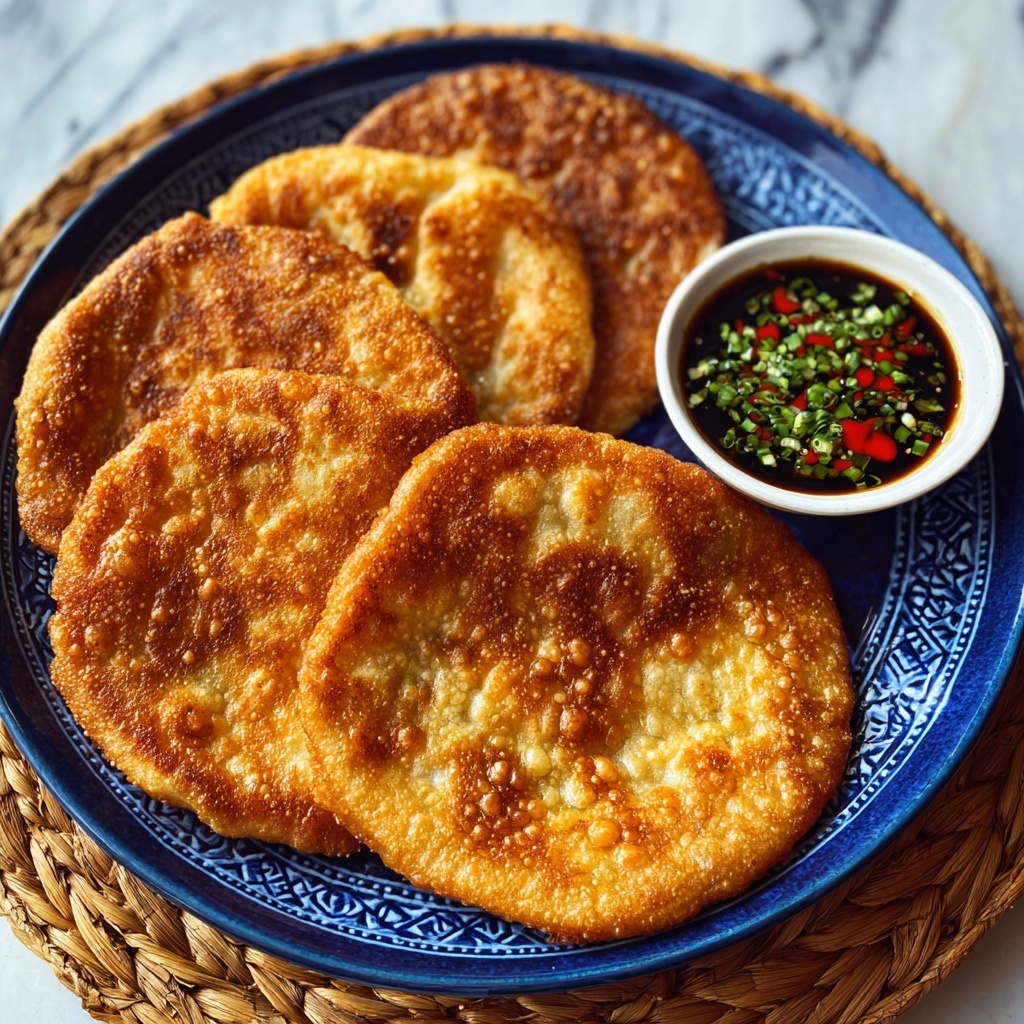
There is something truly heartwarming about making and sharing this Easy Indigenous Fry Bread (Bannock) Recipe. This beloved fry bread is a cornerstone of Indigenous cuisine, bringing together simple ingredients into a golden, crispy-on-the-outside, tender-on-the-inside delight. Whether you’re new to bannock or a long-time fan, this recipe captures the essence of homemade goodness that’s quick to prepare and incredibly satisfying. Its versatility and rich cultural roots make it a perfect treat to enjoy any time, from a cozy breakfast to an irresistible snack.
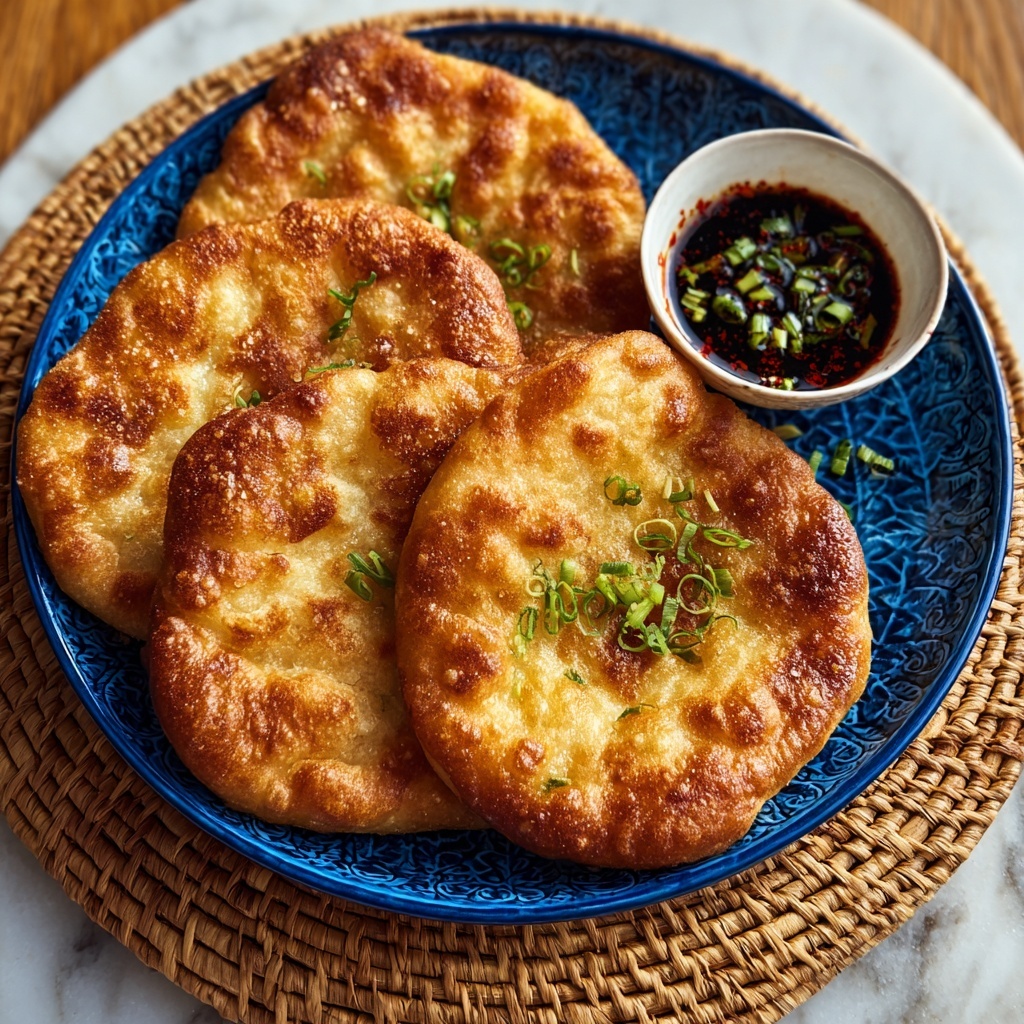
Ingredients You’ll Need
When it comes to this recipe, less is truly more. The ingredients are straightforward but each one plays a crucial role in creating that perfect texture and flavor. From the all-purpose flour providing the foundation to the baking powder giving your bannock that light, airy lift, every component is essential for the ideal fry bread experience.
- 2 cups all-purpose flour: This forms the structure of the bannock and should be fresh for best results.
- 1 tablespoon baking powder: Helps the dough rise and become fluffy without heaviness.
- 1 teaspoon salt: Enhances all the flavors and balances the sweetness if added.
- 1 tablespoon sugar (optional): Adds a subtle sweetness that can complement both sweet and savory toppings.
- 2 tablespoons vegetable oil or melted butter: Provides moisture and richness, essential for tender bread.
- 3/4 cup water (adjust as needed): Binds everything to form a soft, workable dough.
- Oil for frying: The key to achieving that iconic crisp, golden crust.
How to Make Easy Indigenous Fry Bread (Bannock) Recipe
Step 1: Mix the Dry Ingredients
Start by whisking together the all-purpose flour, baking powder, salt, and sugar if you’re using it. This ensures everything is evenly combined and your bannock will have a consistent flavor and rise. It’s the foundational step that sets you up for success.
Step 2: Add the Fat
Incorporate the vegetable oil or melted butter into the dry mixture. Stir until the texture resembles coarse crumbs — not too fine, not too chunky. This step adds richness and influences how moist and tender your fry bread will be.
Step 3: Bring the Dough Together
Pour in the water slowly, mixing as you go, watching for the dough to come together into a soft but not sticky ball. You might need a bit more or less water depending on your flour and environment, so go slowly and adjust for the perfect consistency.
Step 4: Knead the Dough Gently
Turn the dough out onto a lightly floured surface and knead gently for about one minute. The goal here is to bring it together smoothly without overworking it, keeping the bannock tender.
Step 5: Rest the Dough
Let the dough rest for 10 to 15 minutes. This step helps relax the gluten, making it easier to shape and results in a softer fry bread once cooked.
Step 6: Shape the Dough
Divide the rested dough into six equal portions. Flatten each piece into a disc about half an inch thick — thick enough to create a soft interior with a crispy shell when fried.
Step 7: Heat the Oil
Heat oil in a large skillet over medium heat until it’s hot enough to sizzle when you add the dough discs. This hot oil is critical to achieving the bannock’s signature golden outside and fluffy inside.
Step 8: Fry the Bannock
Carefully place your discs into the hot oil, working in batches as necessary so you don’t crowd the pan. Cook each side for 2 to 3 minutes until golden brown and cooked through.
Step 9: Drain and Cool
Once cooked, transfer the fry bread to paper towels to drain excess oil. This keeps every bite crisp but not greasy — the perfect texture balance.
How to Serve Easy Indigenous Fry Bread (Bannock) Recipe
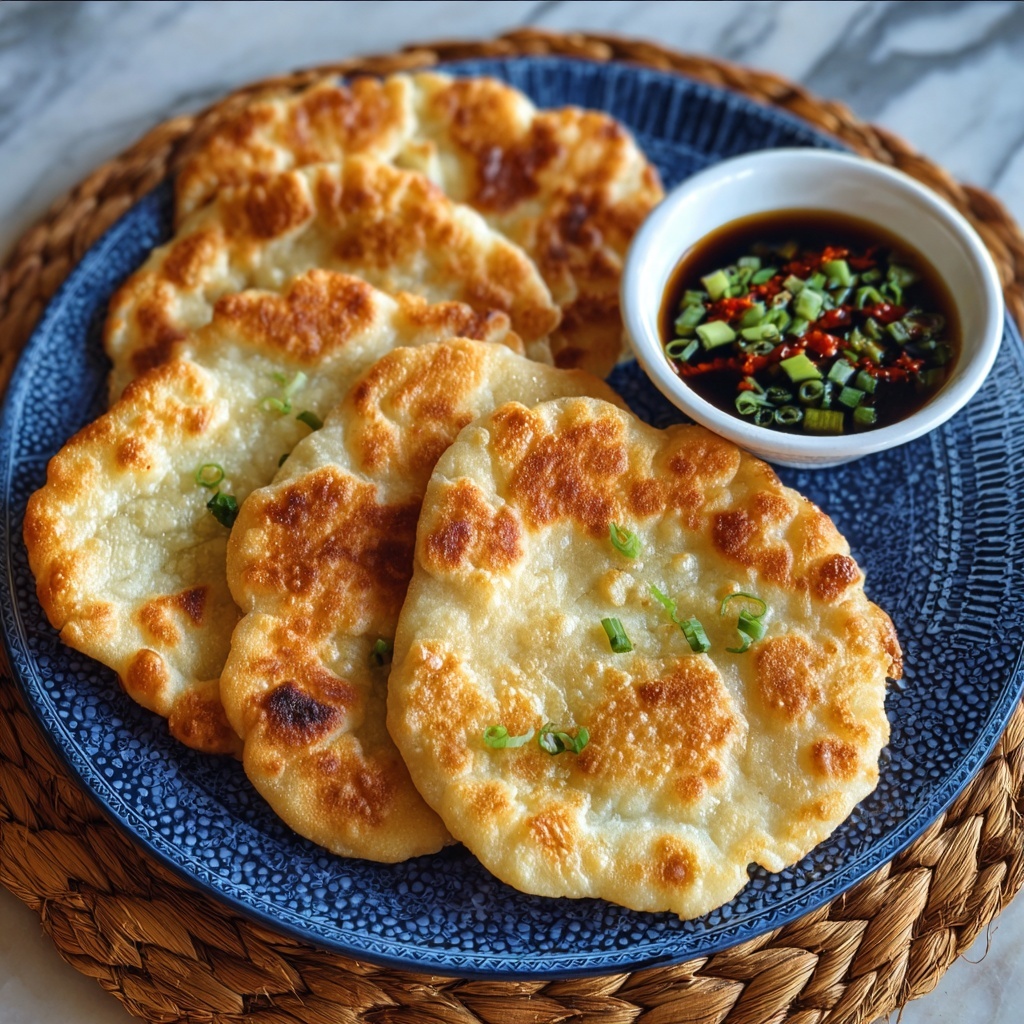
Garnishes
The beauty of this Easy Indigenous Fry Bread (Bannock) Recipe is its versatility. Slather it with honey, maple syrup, or your favorite jam for a sweet treat. If savory is more your style, top it with chili, beans, or even melted cheese for a hearty snack or meal.
Side Dishes
Fry bread pairs beautifully with comforting sides. Think classic soups, stews, or fresh salads that balance the richness while celebrating the bread’s rustic charm. Consider serving alongside a warm bowl of vegetable soup or spiced beans to complete a nourishing Indigenous-inspired meal.
Creative Ways to Present
For a fun twist, turn your fry bread into mini sandwiches or pizzas using fresh toppings. Layer with avocado, tomatoes, and smoked salmon for an elegant appetizer, or roll it up burrito-style with beans and greens for an on-the-go meal that’s bursting with flavor.
Make Ahead and Storage
Storing Leftovers
Leftover bannock can be stored in an airtight container at room temperature for a day or two. Just keep them away from moisture to preserve that crunch on the outside and softness inside.
Freezing
If you want to keep your easy Indigenous fry bread longer, freeze the cooled pieces in a sealed bag. When you’re ready, thaw them at room temperature or gently reheat — bannock freezes and thaws beautifully without losing its charm.
Reheating
Reheat your bannock in a skillet over medium heat or in the oven. This method refreshes the crisp outer crust while warming through the soft interior, bringing back that fresh-from-the-fryer magic.
FAQs
Can I use whole wheat flour instead of all-purpose flour?
Absolutely! Whole wheat flour adds a nutty flavor and extra fiber, though you might need to adjust the water slightly since it absorbs more liquid. The bannock will be a bit heartier but just as delicious.
Is sugar necessary in this Easy Indigenous Fry Bread (Bannock) Recipe?
Sugar is optional and depends on your preference. It adds a hint of sweetness but can be omitted if you prefer a purely savory bread or plan to top it with savory ingredients.
What oil is best for frying bannock?
Vegetable oil, canola oil, or any neutral-flavored oil with a high smoke point works best. These oils help the bannock cook evenly and achieve that golden, crispy surface without overpowering the flavor.
Can I bake bannock instead of frying it?
Yes, you can bake bannock for a healthier option. Bake at 400°F (200°C) for about 15-20 minutes until golden brown, though the texture will be less crispy and more bread-like than the classic fried version.
How do I know when the bannock is cooked through?
Look for a beautiful golden-brown color on both sides and cook for about 2-3 minutes per side. You can also gently press the bread — it should feel firm but springy. Cutting one open will reveal a fluffy, fully cooked interior.
Final Thoughts
There is something endlessly satisfying about making this Easy Indigenous Fry Bread (Bannock) Recipe in your own kitchen. It’s a simple yet soulful dish that invites creativity and nourishment in equal measure. Whether you’re sharing it with family or enjoying a quiet moment with a warm piece straight from the skillet, bannock fills every occasion with comfort and tradition. Give it a try and let this humble bread become a cherished staple in your home.
Print
Easy Indigenous Fry Bread (Bannock) Recipe
- Prep Time: 10 minutes
- Cook Time: 15 minutes
- Total Time: 30 minutes
- Yield: 6 servings
- Category: Bread
- Method: Frying
- Cuisine: Indigenous North American
Description
Bannock is a traditional Indigenous fry bread that is simple to make and perfect for quick, hearty snacks or meals. This recipe offers an easy and delicious way to prepare bannock, featuring a soft dough fried to golden perfection and served warm with a variety of sweet or savory toppings.
Ingredients
Dry Ingredients
- 2 cups all-purpose flour
- 1 tablespoon baking powder
- 1 teaspoon salt
- 1 tablespoon sugar (optional)
Wet Ingredients
- 2 tablespoons vegetable oil or melted butter
- 3/4 cup water (adjust as needed)
For Frying
- Oil for frying (vegetable or canola oil recommended)
Instructions
- Combine dry ingredients: In a large bowl, whisk together the flour, baking powder, salt, and sugar (if using) until fully combined and airy.
- Add fat to mixture: Mix in the vegetable oil or melted butter, stirring to create a texture resembling coarse crumbs.
- Form the dough: Gradually add water to the mixture, stirring gently until a soft dough starts to form; adjust water quantity as necessary for a smooth but not sticky dough.
- Knead the dough: Transfer the dough onto a lightly floured surface and knead gently for about one minute until the dough becomes smooth and elastic.
- Rest the dough: Let the dough rest for 10–15 minutes to relax the gluten, improving texture and pliability.
- Divide and shape: Cut the dough into six equal pieces and flatten each portion into discs approximately half an inch thick.
- Heat oil: In a large skillet, heat oil over medium heat until it is hot enough for frying, roughly 350°F (175°C).
- Fry bannock: Carefully place the dough discs into the hot oil, frying in batches if needed to avoid crowding the pan.
- Cook each side: Fry each side for about 2 to 3 minutes, or until the bannock turns golden brown and is cooked through.
- Drain excess oil: Remove the fried bannock from the skillet and drain on paper towels to remove excess oil.
- Serve warm: Enjoy your bannock warm with toppings of choice such as honey, jam, or savory accompaniments like chili or beans.
Notes
- Adjust water quantity slowly to avoid overly sticky or dry dough.
- Use a thermometer to ensure the oil stays at the right frying temperature for even cooking.
- For a richer flavor, use melted butter instead of vegetable oil in the dough.
- Serve immediately for best taste and texture, as bannock is best enjoyed fresh.
- You can add herbs or spices to the dough for a savory twist.
- If frying in batches, keep cooked bannock warm in a low oven (about 200°F) while cooking the rest.