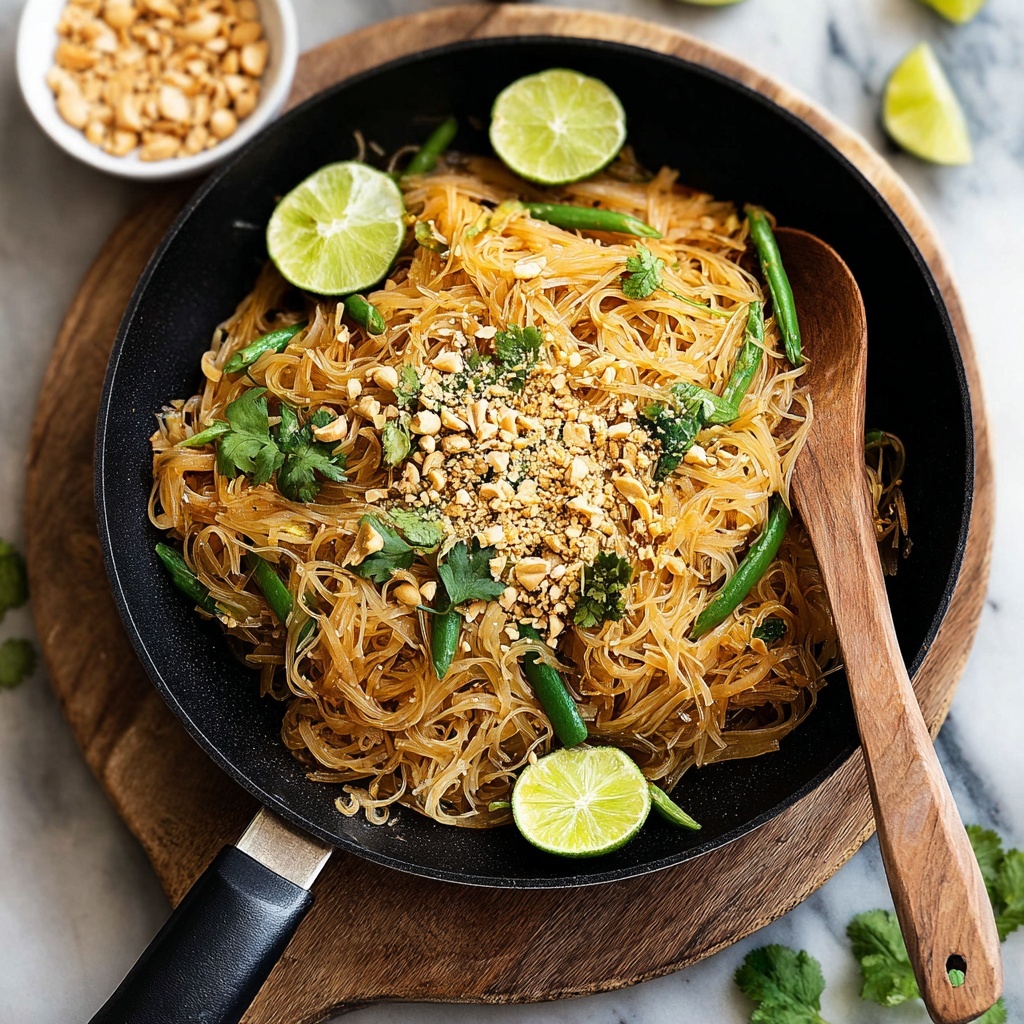
If you’re craving a vibrant, flavorful meal that’s both satisfying and packed with wholesome ingredients, this Vegetable Pad Thai Recipe is exactly what you need. Bringing together tender flat rice noodles, crisp mixed vegetables, and golden tofu cubes, all tossed in a tangy tamarind and lime sauce, this dish bursts with textures and tastes that are sure to become a staple in your cooking repertoire. It’s a wonderful balance of savory, tangy, and mildly spicy notes, making it a perfect introduction to Thai cuisine for beginners and a comforting favorite for seasoned cooks alike.
Ingredients You’ll Need
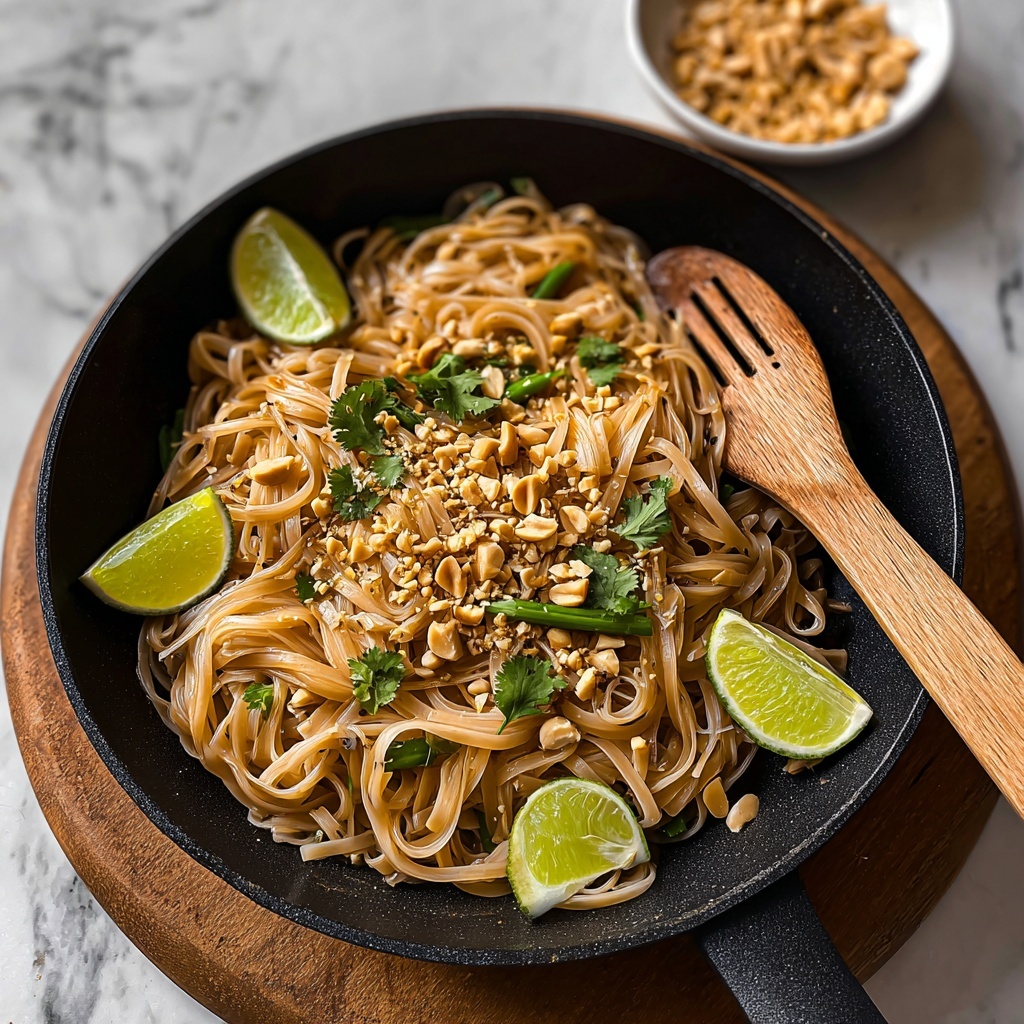
Each ingredient in this Vegetable Pad Thai Recipe plays a crucial role in elevating the dish, from the chewy noodles to the punchy sauce and crunchy peanuts. The simplicity of these ingredients makes it easy to shop for, yet the combined flavors create a complex and irresistible meal.
- 8 oz flat rice noodles: These provide the signature chewy and smooth texture essential for authentic Pad Thai.
- 2 cups mixed vegetables (bell peppers, carrots, bean sprouts): Their colors and crispness bring freshness and a satisfying bite.
- 4 green onions (sliced thin): Adds a mild onion flavor and bright green color as a garnish and ingredient.
- 1 cup firm tofu (pressed and cubed): Offers a hearty, protein-rich component with a lovely golden crust when sautéed.
- 1/4 cup peanuts (roughly chopped): The crunch and nutty flavor provide a delightful contrast to softer textures.
- 3 tbsp low-sodium soy sauce: Adds depth and a salty umami base without overwhelming the dish.
- 2 tbsp tamarind paste: Brings that quintessential tangy and slightly sweet note key to authentic Pad Thai flavor.
- 2 tbsp lime juice: Injects a fresh acidity that brightens the entire dish perfectly.
- 1/2 tsp chili powder: Offers subtle heat without overpowering the other elements.
How to Make Vegetable Pad Thai Recipe
Step 1: Soften the Rice Noodles
Place your flat rice noodles in warm water and let them soak for about 20 minutes until they become beautifully soft and pliable. This step ensures the noodles cook evenly and absorb the sauce perfectly later on. Remember not to over-soak, or they might turn mushy.
Step 2: Sauté the Tofu
In a large skillet over medium-high heat, add some oil and sauté the pressed, cubed tofu until every side is golden brown and slightly crispy, which usually takes 5 to 7 minutes. This adds a wonderful texture and rich flavor to your Vegetable Pad Thai Recipe, so don’t rush it! Set the tofu aside once done.
Step 3: Stir-Fry the Vegetables
Using the same skillet, toss in your mixed vegetables, cooking them until they’re tender yet crisp—about 3 to 5 minutes. This step is where your dish gets its vibrant colors and fresh crunch, balancing the soft noodles and tofu.
Step 4: Combine Everything with Sauce
Now, add your soaked noodles, soy sauce, tamarind paste, lime juice, and chili powder to the skillet. Gently toss and stir everything together for around three minutes so the noodles soak up all that fabulous tangy, savory flavor. Be gentle here to keep the noodles intact and beautifully coated.
Step 5: Add Final Touches
Sprinkle your chopped peanuts and sliced green onions onto the mix, folding them in lightly. These final additions give your Vegetable Pad Thai Recipe that signature crunch and fresh bite right before serving.
Step 6: Serve Hot
Dish out your Vegetable Pad Thai immediately while it’s warm, garnishing with extra peanuts or lime wedges if desired. This final step ensures each mouthful is bursting with flavor and texture.
How to Serve Vegetable Pad Thai Recipe
Garnishes
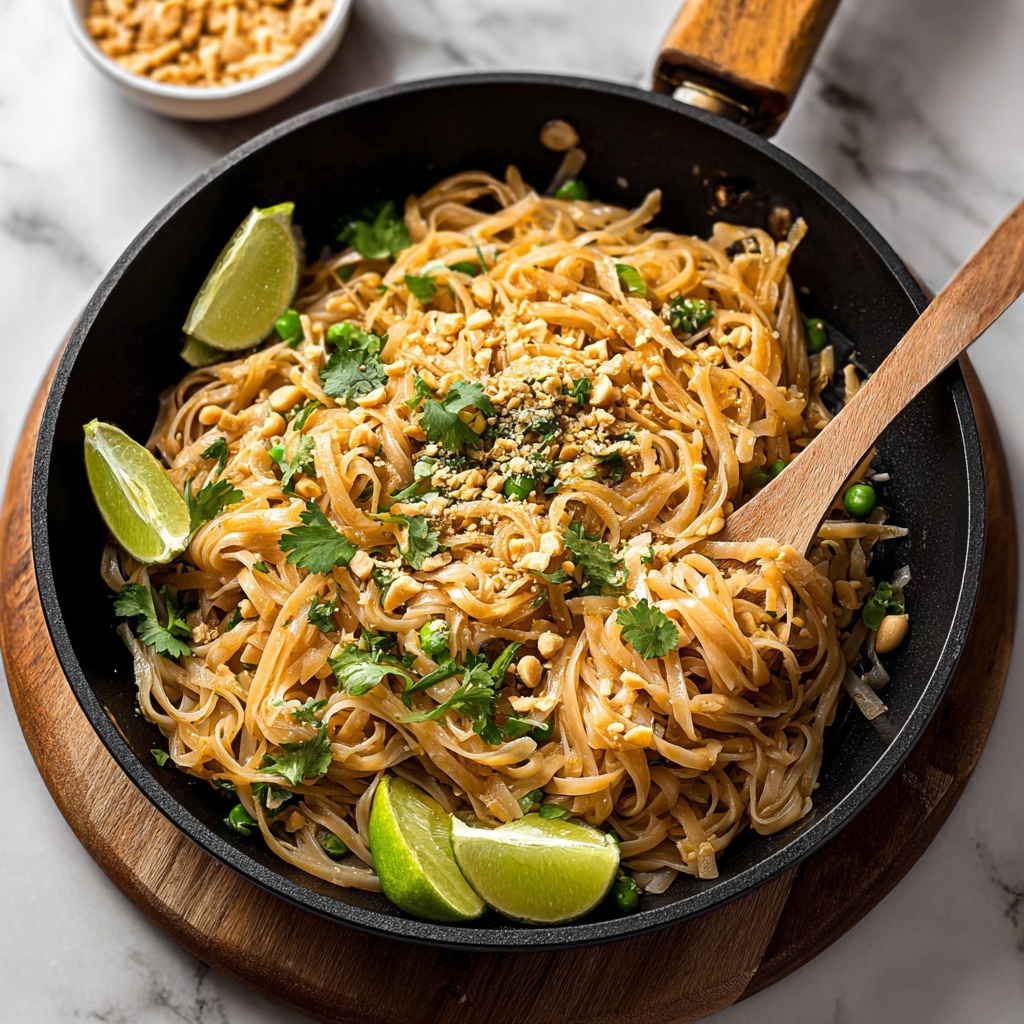
Simple garnishes can elevate your Vegetable Pad Thai Recipe to restaurant quality. Fresh lime wedges add zesty brightness, while extra chopped peanuts provide a nutty crunch. You can even toss in some fresh cilantro or a sprinkle of chili flakes for more heat and color.
Side Dishes
This dish pairs beautifully with light, fresh sides such as a crisp cucumber salad or steamed jasmine rice. Alternatively, serving it alongside spring rolls or a cooling Thai iced tea can complement the flavors and create a balanced meal.
Creative Ways to Present
For a crowd or a festive lookup, serve your Vegetable Pad Thai in individual serving bowls topped with crushed peanuts and lime wedges arranged around the rim. You can also wrap portions in banana leaves for an exotic presentation or put together an interactive Pad Thai bar where guests add their own garnishes and crunch toppings.
Make Ahead and Storage
Storing Leftovers
If you have any leftover Vegetable Pad Thai Recipe, store it in an airtight container in the refrigerator for up to 2 days. The noodles will absorb the sauce further, intensifying the flavors, so just give it a gentle stir before reheating.
Freezing
While you can freeze leftover Vegetable Pad Thai, it’s not ideal because the noodles can become mushy upon thawing. If you do freeze it, portion the dish into freezer-safe containers and consume within a month for the best flavor retention.
Reheating
Reheat your Vegetable Pad Thai gently over medium heat in a skillet or in the microwave with a splash of water to keep the noodles from drying out. Stir frequently to warm the dish evenly and revive its lively texture.
FAQs
Can I use other vegetables in this Vegetable Pad Thai Recipe?
Absolutely! Feel free to swap in veggies like zucchini, snap peas, or broccoli based on your taste and what’s in season. Just keep the balance of colors and textures in mind for the best result.
Is this recipe suitable for gluten-free diets?
Yes! Ensure you use gluten-free soy sauce and double-check that your tamarind paste is gluten-free. The rice noodles are naturally gluten-free, making this dish a great option for gluten-sensitive eaters.
Can I substitute tofu with another protein?
Certainly! You can use tempeh, cooked shrimp, or chicken if you prefer. Just adjust cooking times accordingly to ensure your protein is perfectly cooked without drying out.
How spicy is the Vegetable Pad Thai Recipe?
This recipe has a gentle kick from the chili powder that balances nicely with the tangy and sweet flavors. If you love heat, feel free to add more chili or fresh chopped chilies while cooking or as a topping.
What is the best type of tamarind paste to use?
Look for pure tamarind paste without added sugars or preservatives to maintain the authentic tanginess of the dish. Some brands make pastes with extra ingredients that might alter the flavor slightly.
Final Thoughts
There’s something truly magical about mastering this Vegetable Pad Thai Recipe—it’s a delicious way to brighten up your weeknight dinners with fresh, wholesome, and bold flavors. Once you try it, it’s guaranteed to become one of your favorite go-to meals, easy enough to whip up anytime and impressive enough to share with family and friends. So grab those ingredients and get cooking—you’re in for a treat!
Print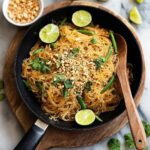
Vegetable Pad Thai Recipe
- Prep Time: 25 minutes
- Cook Time: 10 minutes
- Total Time: 35 minutes
- Yield: 4 servings
- Category: Main Course
- Method: Stovetop
- Cuisine: Thai
- Diet: Vegetarian
Description
This Vegetable Pad Thai is a vibrant, flavorful twist on the classic Thai street food, featuring tender rice noodles stir-fried with mixed vegetables, crispy tofu, and a tangy tamarind sauce. It’s a quick, vegetarian-friendly meal perfect for a nutritious weeknight dinner.
Ingredients
Noodles and Sauce
- 8 oz flat rice noodles
- 3 tbsp low-sodium soy sauce
- 2 tbsp tamarind paste
- 2 tbsp lime juice
- 1/2 tsp chili powder
Vegetables and Protein
- 2 cups mixed vegetables (bell peppers, carrots, bean sprouts)
- 4 green onions, sliced thin
- 1 cup firm tofu, pressed and cubed
- 1/4 cup peanuts, roughly chopped
- 1–2 tbsp cooking oil (for sautéing)
Instructions
- Soak Noodles: Soak the flat rice noodles in warm water for about 20 minutes until they soften, then drain them well to prepare for stir-frying.
- Cook Tofu: Heat oil in a large skillet over medium-high heat. Add the pressed and cubed tofu and sauté until golden brown and crispy on all sides, about 5 to 7 minutes. Remove tofu from skillet and set aside.
- Stir-fry Vegetables: In the same skillet, add the mixed vegetables and stir-fry for 3 to 5 minutes until they are tender but still crisp, maintaining some crunch for texture.
- Combine Ingredients: Add the soaked noodles back into the skillet with the vegetables. Pour in the low-sodium soy sauce, tamarind paste, lime juice, and sprinkle the chili powder. Toss everything gently together and cook for another 3 minutes to allow flavors to mingle and the noodles to heat through.
- Add Garnishes: Sprinkle the chopped peanuts and sliced green onions over the noodle mixture. Mix lightly to distribute garnish evenly without losing texture.
- Serve: Serve the Vegetable Pad Thai hot, with additional peanuts or lime wedges on the side for added flavor customization.
Notes
- Press the tofu well to remove excess moisture before cooking to achieve a crisp texture.
- You can customize the mixed vegetables based on seasonal availability or preference.
- Adjust chili powder to your spice tolerance; add more for extra heat.
- Use low-sodium soy sauce to keep sodium levels moderate.
- If tamarind paste is unavailable, substitute with a mix of lime juice and a bit of brown sugar for a similar tangy-sweet flavor.