“`html
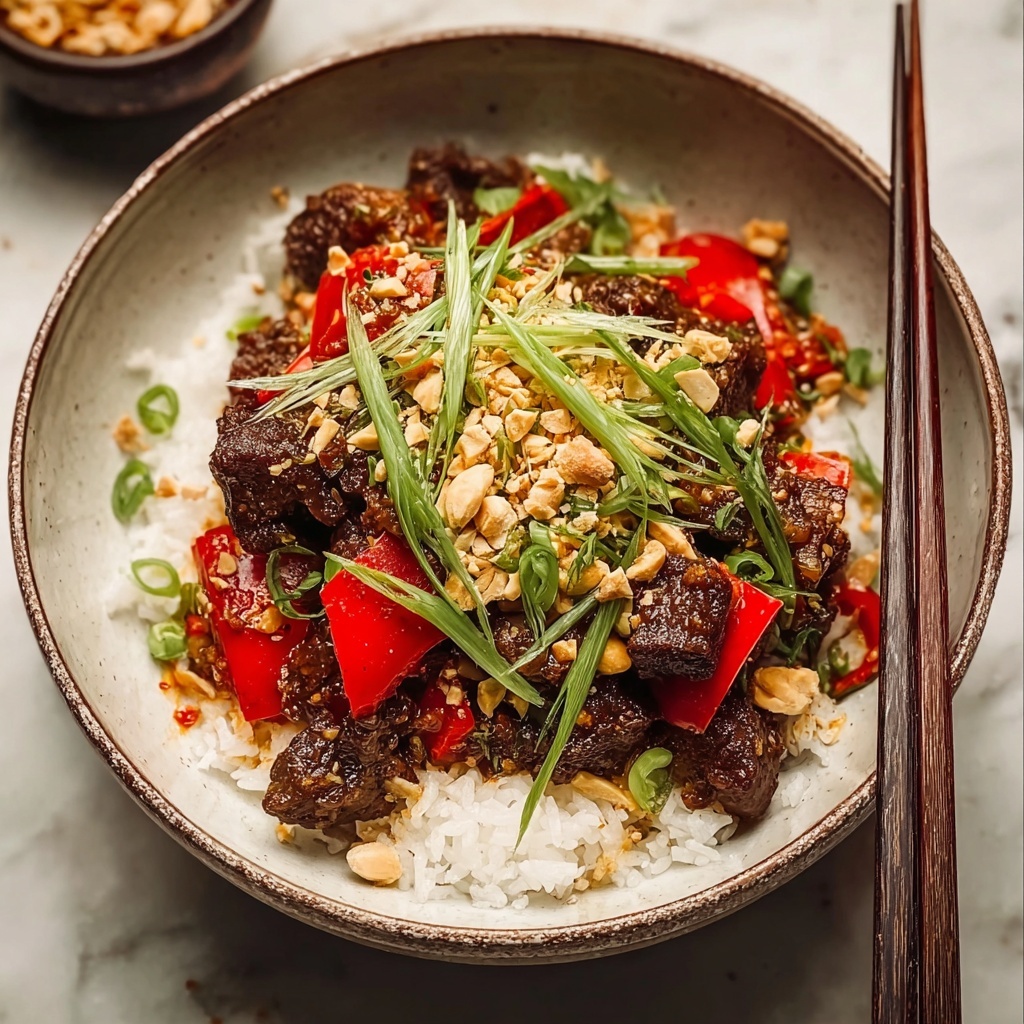
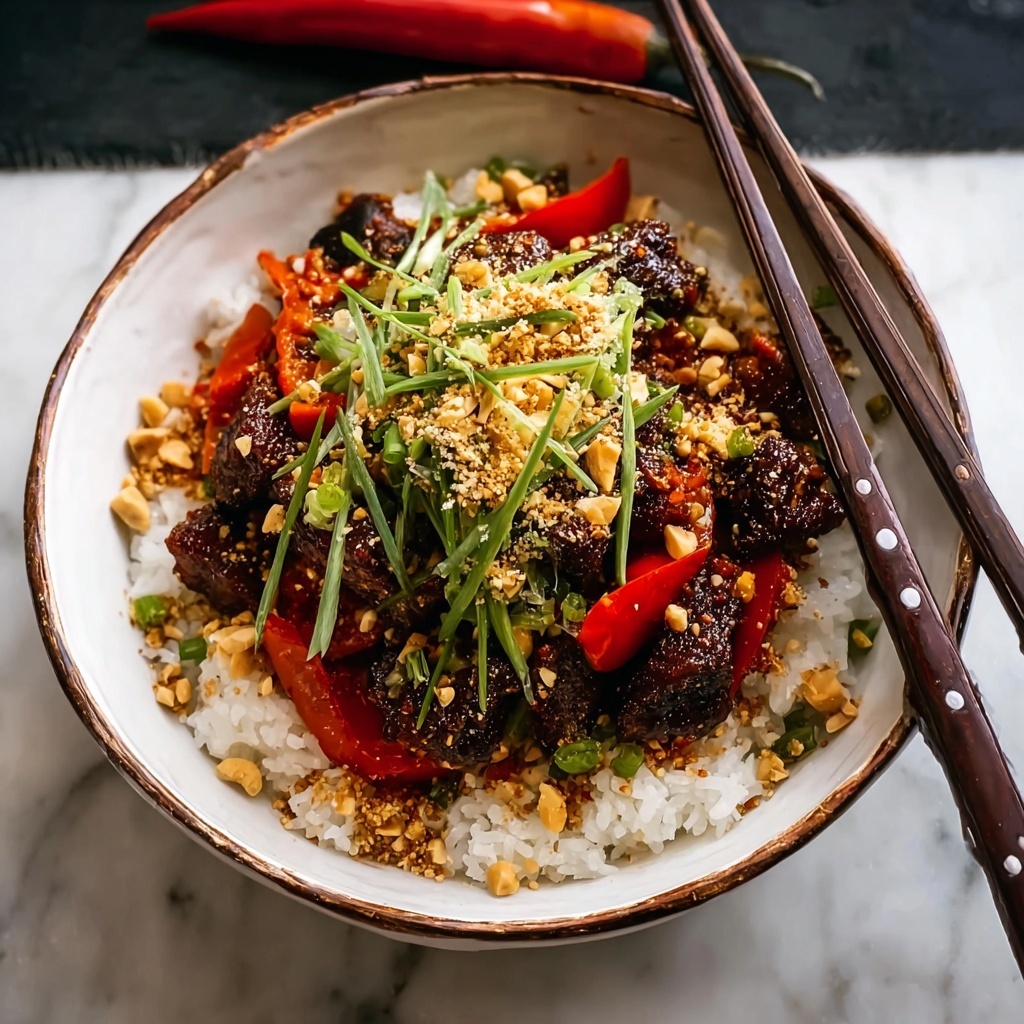
If you are craving a meal that comes together in a flash but dazzles your taste buds with bold, layered flavors, the 20 Minute Korean Gochujang Beef Bowls Recipe is absolutely your answer. This dish is a brilliant blend of tender ground beef, vibrant bell peppers, and aromatic shallots, all perfectly coated in a rich, spicy-sweet gochujang-infused sauce. Paired with a crisp cucumber salad and crunchy peanuts, these bowls deliver a harmony of textures and flavors that will have you coming back for seconds faster than you think.
Ingredients You’ll Need
Ingredients You’ll Need
Every ingredient in this recipe plays a key role — from the spicy kick of gochujang to the fresh brightness of cucumber, creating a balanced, colorful dish that’s as visually appealing as it is delicious.
- Ground beef (1 1/2 pounds): Provides a hearty, protein-rich base that soaks up all the fantastic sauces perfectly.
- Butter (2 tablespoons): Adds richness and helps soften the vegetables while cooking.
- Bell peppers (2, sliced): Bring vibrant color and a subtle sweetness that complements the spice.
- Shallots (3, sliced): Impart a mild, sweet onion flavor that enhances the dish’s depth.
- Garlic (4 cloves, chopped): Offers a punchy aromatic foundation that energizes the entire bowl.
- Pickled ginger (1/4 cup) or fresh grated ginger (1 tablespoon): Adds an exciting tangy zing and fresh warmth.
- Tamari or soy sauce (1/2 cup): Brings savory umami and a salty balance to cut through the sweetness.
- Gochujang (2-3 tablespoons for the beef, plus 1 tablespoon for salad): This Korean chili paste is the heart of the dish, delivering complex heat with a touch of sweetness.
- Ginger juice (2 tablespoons for sauce, plus 2 tablespoons or rice vinegar for salad): Freshens and lifts the flavor profile with a subtle spicy brightness.
- Maple syrup or honey (2 tablespoons): Creates a luscious caramelized glaze on the beef and peppers.
- Toasted sesame seeds (1/4 cup): Add nuttiness and a delightful crunch when sprinkled at the end.
- Chopped roasted peanuts (1/3 cup): Enhance texture with an earthy crunch that contrasts beautifully with the tender beef.
- Persian cucumbers (4, chopped): Provide crispness and cooling freshness in the accompanying salad.
- Chopped green onion or Thai basil (1/4 cup): Adds herbaceous brightness to the cucumber salad.
- Salt (1 teaspoon for cucumber salad): Balances flavors and draws moisture from cucumbers to enhance the salad’s texture.
How to Make 20 Minute Korean Gochujang Beef Bowls Recipe
Step 1: Brown the Beef
Start by heating a large skillet over medium heat and adding the ground beef along with a pinch of black pepper. Break the beef apart with a spatula as it cooks. In just about five minutes, you’ll have beautifully browned beef that forms a savory base packed with flavor. Browning the beef properly is vital because it creates caramelized bits that add depth to the whole dish.
Step 2: Saute Aromatics and Peppers
Next, toss in the butter, sliced bell peppers, chopped garlic, sliced shallots, and your choice of ginger—whether pickled or fresh. Stir and cook everything together for about two minutes until you can smell those irresistible aromas filling your kitchen and the vegetables start to soften just a little. This step builds the flavorful backbone of the recipe and keeps those peppers bright and crisp.
Step 3: Add the Sauce
Pour in the tamari or soy sauce, gochujang, ginger juice, and a splash of water to help everything meld together. Stir thoroughly to coat the beef and veggies evenly. Let the skillet bubble away for 2 to 3 minutes, allowing the sauce to thicken just right so it clings beautifully to every bit of beef and pepper in the pan.
Step 4: Caramelize and Finish
Now stir in the maple syrup or honey, continuing to cook for one to two minutes while stirring frequently. You want your beef mixture to glow with a gorgeous caramelized sheen—it’s that sweet-spicy coating everyone will adore. Once this is achieved, remove from heat and toss everything with toasted sesame seeds for that irresistible nutty finish.
Step 5: Make the Cucumber Salad
While the beef finishes cooking, mix together the chopped cucumbers, gochujang, green onions or Thai basil, and your choice of ginger juice or rice vinegar in a medium bowl. Season with salt and let this chill and marinate for about five minutes so the cucumbers soak up the punchy, spicy dressing, delivering a crunchy contrast to the rich beef bowls.
Step 6: Assemble the Bowls
To serve, spoon your luscious beef and pepper mixture over cooked rice in bowls. Top with the fresh cucumber salad, sprinkle generously with chopped roasted peanuts, and if you’re feeling adventurous, add a drizzle of spicy mayo for an additional creaminess. Dive in immediately and enjoy every bite of this quick, vibrant feast!
How to Serve 20 Minute Korean Gochujang Beef Bowls Recipe
Garnishes
The beauty of this recipe is how the garnishes elevate the meal — scatter toasted sesame seeds and chopped peanuts on top for irresistible crunch and toasty notes. Fresh herbs like Thai basil or green onions add a pop of color and freshness. You can also toss on a little extra dollop of gochujang mixed with mayo for that creamy, spicy kick that complements the beef perfectly.
Side Dishes
Pairing your 20 Minute Korean Gochujang Beef Bowls Recipe with simple sides keeps the meal well-rounded without stealing the spotlight. Try serving with steamed jasmine or brown rice for mellow comfort, kimchi for bold tang, or a light seaweed salad to add a refreshing ocean-inspired element that balances the richness of the beef.
Creative Ways to Present
For an impressive presentation, layer the bowls with rice first, then mound on the hot beef mixture and a generous scoop of cucumber salad. Serve in rustic ceramic bowls for that cozy, homemade vibe or in colorful bamboo bowls if you want to add a bit of Asian flair to your table. Garnish creatively with edible flowers or microgreens for a fresh, modern touch your guests will love.
Make Ahead and Storage
Storing Leftovers
Leftover 20 Minute Korean Gochujang Beef Bowls Recipe is just as delightful when stored correctly. Place the beef mixture, cucumber salad, and any additional garnishes separately in airtight containers to preserve textures and flavors. Refrigerate for up to three days–this way, the cucumbers stay crisp, and the beef retains that luscious sauce.
Freezing
If you want to stash some away for a later date, freeze just the beef and pepper mixture in a freezer-safe container for up to a month. Avoid freezing the cucumber salad as it tends to become watery and limp after thawing, so fresh is best there. Simply thaw the beef in the fridge overnight when ready to use.
Reheating
To reheat, gently warm the beef mixture in a skillet over low to medium heat so it doesn’t dry out, stirring occasionally until heated through. Add a splash of water or broth if needed to loosen the sauce. Reheat rice separately and toss on fresh cucumber salad just before serving to preserve the crunch and brightness.
FAQs
Can I use ground chicken or turkey instead of beef?
Absolutely! Ground chicken or turkey are great lean alternatives that will still soak up the delicious gochujang sauce beautifully. Just watch for cooking times as they might cook a bit faster than beef.
What if I don’t have gochujang—is there a substitute?
While gochujang lends a unique sweet-spicy depth, you can substitute it with a mix of chili paste and a touch of miso or even a spicy Sriracha combined with a little honey for sweetness. The flavors won’t be identical, but you’ll still get a wonderful kick.
Is this recipe very spicy?
The heat level is moderate and balanced by sweetness from maple syrup and the cooling cucumber salad. You can adjust the gochujang amount to suit your spice tolerance, adding less to keep it mild or extra to turn up the heat.
Can I prepare this recipe vegan or vegetarian?
To make this recipe vegetarian, swap ground beef for plant-based ground “meat” or crumbled tofu, and use tamari or soy sauce as usual. The robust flavors from gochujang and fresh ingredients shine through regardless!
How should I cook the rice to serve with this dish?
Fluffy steamed jasmine rice is a classic choice, but brown rice or cauliflower rice are excellent alternatives if you want more fiber or lower carbs. Cook according to package instructions and keep warm until ready to assemble your bowls.
Final Thoughts
This 20 Minute Korean Gochujang Beef Bowls Recipe is one of those rare dishes that manages to be incredibly quick and effortless, yet wow you with every bite. Whether you’re feeding a family or just treating yourself, it’s a joyful explosion of flavor and texture that promises satisfaction every time. Don’t hesitate to give it a try—you might just find your new weeknight favorite!
“`
Print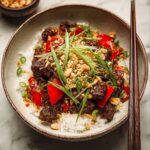
20 Minute Korean Gochujang Beef Bowls Recipe
- Prep Time: 10 minutes
- Cook Time: 10 minutes
- Total Time: 20 minutes
- Yield: 6 servings
- Category: Main Course
- Method: Stovetop
- Cuisine: Korean
- Diet: Gluten Free
Description
This vibrant and flavorful 20 Minute Korean Gochujang Beef Bowl combines tender ground beef cooked with aromatic bell peppers, shallots, and garlic, all glazed in a spicy-sweet gochujang sauce. Served over rice and topped with a refreshing cucumber salad and crunchy peanuts, it’s a quick, satisfying meal that brings the bold tastes of Korean cuisine to your table.
Ingredients
Beef and Vegetables
- 1 1/2 pounds ground beef
- 2 tablespoons butter
- 2 bell peppers, sliced
- 3 shallots, sliced
- 4 cloves garlic, chopped
- 1/4 cup pickled ginger (or 1 tablespoon fresh grated ginger)
Sauce
- 1/2 cup tamari or soy sauce
- 2–3 tablespoons gochujang (Korean chili paste)
- 2 tablespoons ginger juice
- 2 tablespoons maple syrup or honey
- 1/3 cup water
Toppings and Salad
- 1/4 cup toasted sesame seeds
- 1/3 cup chopped roasted peanuts
- 4 Persian cucumbers, chopped
- 1 tablespoon gochujang (Korean chili paste)
- 1/4 cup chopped green onion or Thai basil
- 2 tablespoons ginger juice or rice vinegar
- 1 teaspoon salt
- Spicy mayo (optional, for serving)
Instructions
- Brown the Beef: In a large skillet over medium heat, add the ground beef with a pinch of black pepper. Break up the meat as it cooks and sauté until fully browned, about 5 minutes.
- Saute Aromatics and Peppers: Add butter, sliced bell peppers, chopped garlic, sliced shallots, and pickled or fresh ginger to the skillet. Stir and cook for 2 minutes until fragrant and the peppers begin to soften.
- Add the Sauce: Pour in tamari or soy sauce, 2-3 tablespoons gochujang, ginger juice, and 1/3 cup water. Stir well to combine and cook for 2-3 minutes allowing the sauce to thicken and coat the beef mixture.
- Caramelize and Finish: Stir in maple syrup or honey and cook for an additional 1-2 minutes until the beef is glazed and caramelized. Remove from heat and toss with toasted sesame seeds.
- Make the Cucumber Salad: In a medium bowl, mix together chopped cucumbers, 1 tablespoon gochujang, chopped green onions or Thai basil, ginger juice or rice vinegar, and 1 teaspoon salt. Let the salad marinate for 5 minutes to develop flavor.
- Assemble the Bowls: Serve the gochujang beef and pepper mixture over warm cooked rice. Top with the cucumber salad and sprinkle with chopped roasted peanuts. Optionally, add a drizzle of spicy mayo before serving. Enjoy immediately!
Notes
- You can swap tamari for gluten-free soy sauce to keep the dish gluten-free.
- Adjust the amount of gochujang to your preferred spice level.
- If fresh ginger is not available, pickled ginger works well and adds a unique tang.
- Spicy mayo is optional but adds a creamy texture and extra heat.
- Use any cooked rice of your choice, such as white jasmine or brown rice.
- For a vegetarian version, substitute ground beef with firm tofu or mushrooms and use vegetarian-friendly tamari or soy sauce.