
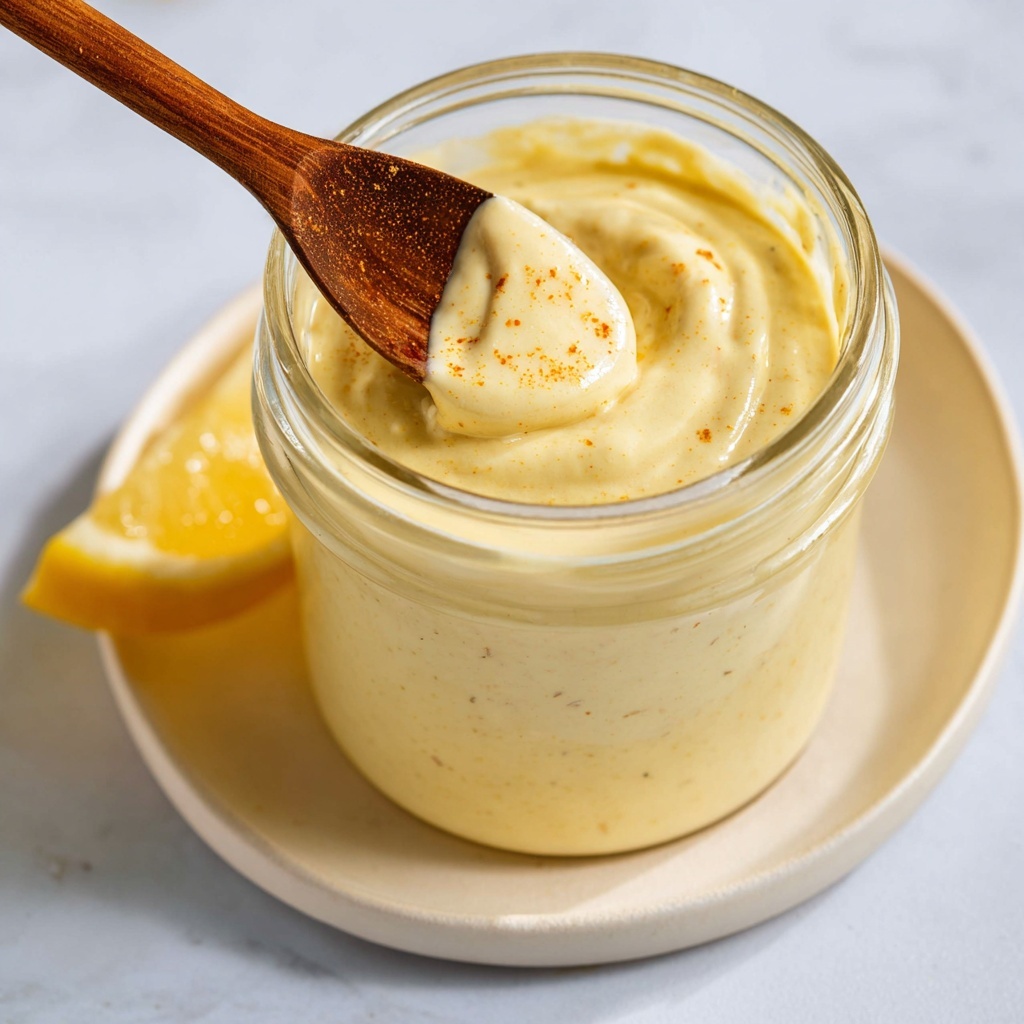
There is something utterly delightful about a sauce that brightens every bite with fresh citrus notes and rich, nutty depth, and this Lemon Pesto Recipe does just that. Combining zesty lemons, creamy Parmigiano-Reggiano, and aromatic pine nuts, this vibrant pesto packs a flavorful punch that transforms ordinary dishes into memorable meals. Whether you’re stirring it into pasta, drizzling it over grilled veggies, or spreading it on crusty bread, this Lemon Pesto Recipe is sure to become your new kitchen obsession for its irresistible balance of tang and creaminess.
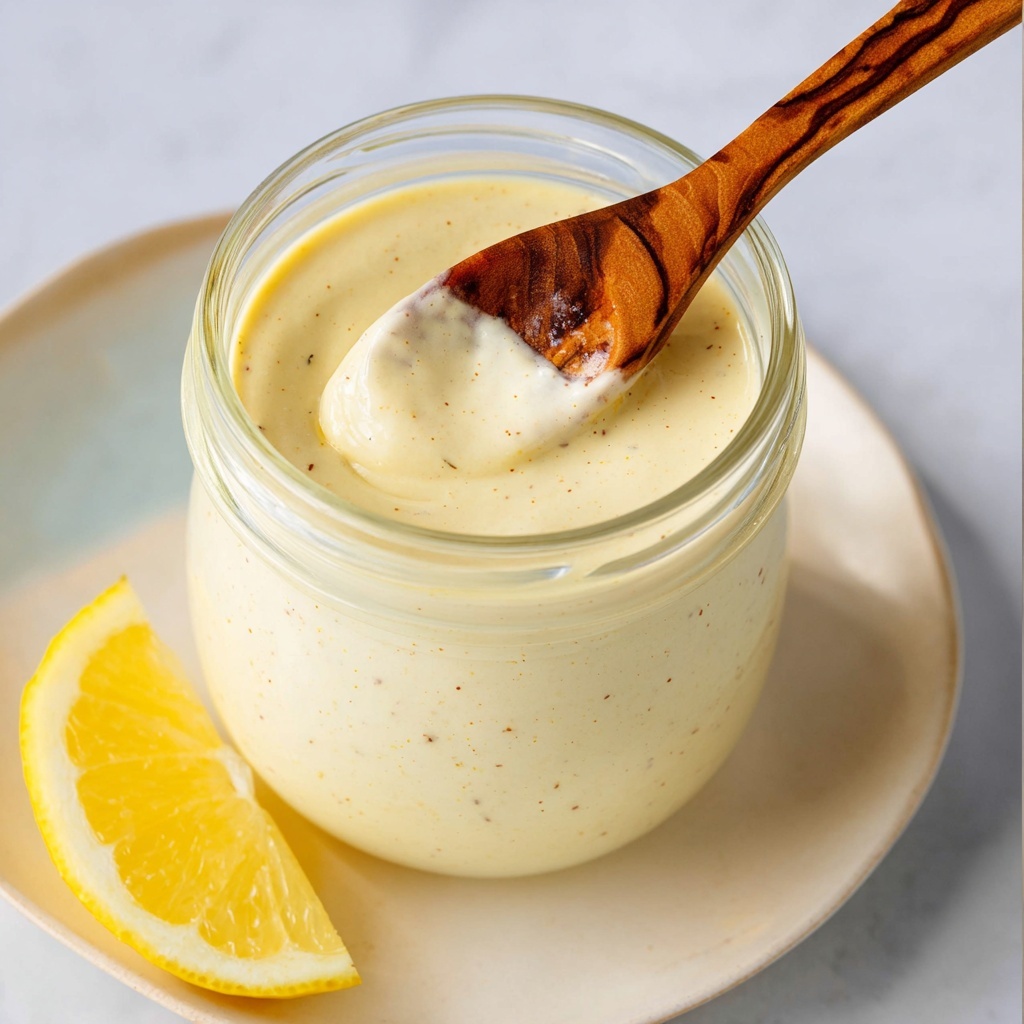
Ingredients You’ll Need
This Lemon Pesto Recipe calls for a handful of simple yet essential ingredients, each playing a vital role in crafting the perfect harmony of flavors and textures. Fresh lemons provide bright acidity and a touch of bitterness, while pine nuts contribute a buttery richness that balances the sharpness beautifully.
- 3 lemons: Use one juiced for brightness and two chopped for texture and vibrant citrus flavor.
- 3 tablespoons pine nuts: These add a creamy, nutty element essential to authentic pesto.
- 2 large garlic cloves: For a punch of savory depth that rounds out the citrus notes.
- 1 cup grated Parmigiano-Reggiano: This hard cheese brings a salty, umami richness that ties everything together.
- 1 teaspoon kosher salt: Enhances all the flavors; adjust to your taste.
- 1/4 teaspoon freshly ground black pepper: Adds a gentle warmth without overpowering.
- 3/4 cup extra virgin olive oil: Creates the smooth, luscious texture that carries all the ingredients in harmony.
How to Make Lemon Pesto Recipe
Step 1: Prep the lemons
Start by thoroughly washing three lemons. Juice one lemon and set the juice aside. With the other two lemons, trim off their ends, then cut each lemon in half lengthwise, followed by slicing into quarters. Make sure to remove the seeds and cut out the thick white membrane core from each lemon segment for a smoother, less bitter pesto base.
Step 2: Puree the lemons and other ingredients
Gather your high-powered blender and add the two chopped lemons along with the reserved lemon juice. Toss in the pine nuts, garlic cloves, grated Parmigiano-Reggiano, kosher salt, and black pepper. Blend on medium speed until the lemons break down and the mixture starts to look smooth; this should take about 30 seconds to one minute. This step ensures all the bright and savory flavors meld nicely.
Step 3: Add the olive oil
With the blender still running on low, slowly pour in the extra virgin olive oil in a steady stream. This gradual addition allows the sauce to emulsify and become creamy. Once fully incorporated, crank up the speed and blend for an additional 30 seconds to achieve a beautifully smooth, luscious texture that will coat your dishes perfectly.
Step 4: Serve or store your Lemon Pesto Recipe
Use your Lemon Pesto right away to enjoy its freshest flavor, or pop it into an airtight container and refrigerate it for up to three days. This flexibility means you can prepare it ahead of time for busy weeknights or last-minute gatherings.
How to Serve Lemon Pesto Recipe

Garnishes
A sprinkle of freshly grated Parmigiano-Reggiano or a few toasted pine nuts on top elevate the visual appeal and add texture. A few chiffonades of fresh basil or a zest of lemon peel can also enhance the vibrant, citrus-forward profile of your Lemon Pesto Recipe.
Side Dishes
This pesto pairs wonderfully with simple pasta, roasted vegetables, grilled chicken, or even as a zesty spread on warm bread. Its bright, tangy flavor acts as a perfect complement to dishes that benefit from a lively twist.
Creative Ways to Present
Think beyond the bowl and try dolloping Lemon Pesto onto avocado toast, swirling it into creamy soups, or using it as a marinade for seafood. Its unique lemony character adds an exciting pop of flavor that is both unexpected and delicious every time.
Make Ahead and Storage
Storing Leftovers
Store any leftover Lemon Pesto in a sealed container in the refrigerator to keep it fresh for up to three days. Placing a thin layer of olive oil on top helps preserve the bright color and prevents oxidation.
Freezing
You can also freeze Lemon Pesto for longer storage. Portion it into ice cube trays for convenient single servings, then transfer the frozen cubes to a resealable bag. This way, you can thaw just what you need without any waste.
Reheating
This pesto tastes best when served cold or at room temperature, so instead of reheating, simply let your frozen or refrigerated serving thaw naturally. Stir it well before using to refresh the creamy texture.
FAQs
Can I use a food processor instead of a blender?
Absolutely! A food processor works wonderfully for this Lemon Pesto Recipe and can give you great control over the texture. Just pulse until smooth and creamy.
Is it possible to substitute pine nuts?
Yes, you can swap pine nuts for walnuts or almonds if you prefer. Each nut offers a slightly different flavor, but they all provide that essential creaminess.
How long does Lemon Pesto last in the fridge?
Stored properly in an airtight container, it will stay fresh for about three days. Make sure to top with olive oil to maintain its vibrant color.
Can I make this Lemon Pesto Recipe vegan?
To make it vegan, replace the Parmigiano-Reggiano with a plant-based cheese alternative or nutritional yeast. The flavor will be a bit different but still delicious.
What dishes go best with Lemon Pesto?
Think pasta, grilled fish or chicken, roasted veggies, or even as a spread on sandwiches—the bright and creamy flavors complement a wide range of meals effortlessly.
Final Thoughts
Trust me, once you try this Lemon Pesto Recipe, it’ll quickly become a go-to in your kitchen for adding a zesty and luscious touch to so many dishes. The vibrant citrus melded with nutty Parmesan and the silky olive oil creates a sauce that’s as versatile as it is delicious. Give it a whirl and watch your everyday meals turn into something extraordinary!
Print
Lemon Pesto Recipe
- Prep Time: 10 minutes
- Cook Time: 0 minutes
- Total Time: 10 minutes
- Yield: 16 servings
- Category: Sauce
- Method: Blending
- Cuisine: Italian
- Diet: Vegetarian
Description
This vibrant Lemon Pesto recipe combines tangy fresh lemons with pine nuts, garlic, and Parmigiano-Reggiano to create a bright, creamy sauce perfect for pasta, grilled vegetables, or as a zesty condiment. Ready in just 10 minutes, this fresh and flavorful pesto adds a unique twist to traditional basil pesto by highlighting citrus notes for a refreshing taste.
Ingredients
Produce
- 3 lemons (1 juiced, 2 chopped)
- 2 large garlic cloves
Pantry
- 3 tablespoons pine nuts
- 1 teaspoon kosher salt (plus more to taste)
- 1/4 teaspoon freshly ground black pepper
- 3/4 cup extra virgin olive oil
Dairy
- 1 cup grated Parmigiano-Reggiano cheese
Instructions
- Prep the lemons. Wash 3 lemons thoroughly. Juice one lemon and reserve the juice, discarding the rind. Trim the bumpy ends off the remaining two lemons, then cut each in half lengthwise and slice into quarters. Remove all seeds and the thick white membrane core from each lemon segment and discard.
- Puree the lemons and ingredients. Add the 2 diced lemons, reserved lemon juice, pine nuts, garlic, grated Parmigiano-Reggiano, kosher salt, and black pepper into a high-powered blender. Blend on medium speed for 30 seconds to 1 minute until the lemons break down and the mixture starts to become smooth.
- Incorporate olive oil. With the blender running on low speed, slowly stream in the extra virgin olive oil until the mixture becomes smooth and creamy. Then increase the speed and blend for another 30 seconds to fully emulsify the pesto.
- Serve or store. Use the lemon pesto immediately to dress pasta, drizzle over grilled vegetables, or spread on bread. Alternatively, store it in an airtight container in the refrigerator for up to 3 days.
Notes
- For a nuttier flavor, lightly toast the pine nuts before blending.
- Add fresh basil or parsley for herbal notes if desired.
- Adjust salt and pepper to taste after blending.
- This pesto is best enjoyed fresh but can be refrigerated for up to 3 days.
- Use a high-powered blender or food processor for best texture.