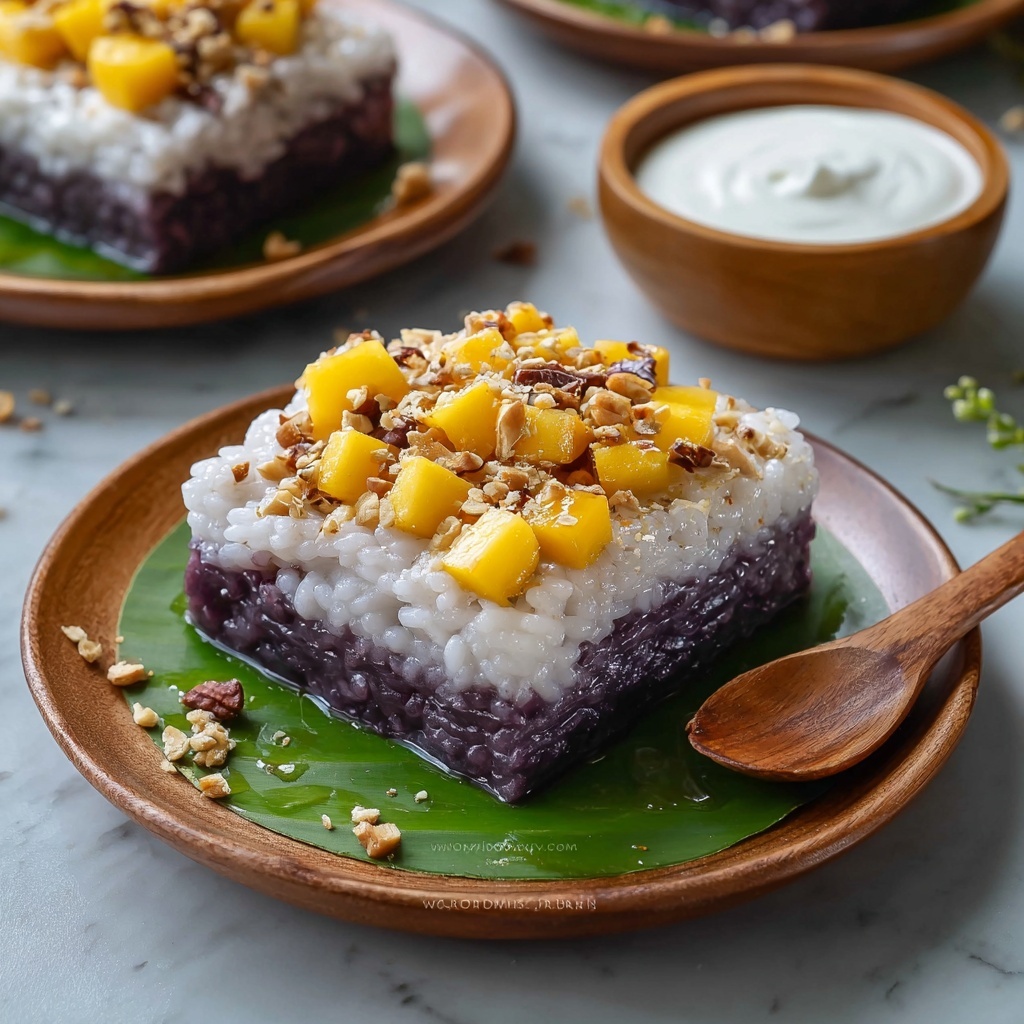
If you are ready to experience a burst of tropical flavors that dance on your palate, this Thai Mango Sticky Rice Recipe is a must-try classic dessert that brings the perfect harmony of creamy, sweet, and fruity elements. The tender, sticky coconut-infused rice soaks up the luscious richness, while juicy mango slices add a refreshing, vibrant contrast. This timeless treat from Thailand is not only incredibly delicious but also simple to make, making every bite feel like a little celebration of sunshine and sweetness.
Ingredients You’ll Need
Gathering a handful of simple, wholesome ingredients is all it takes to create this enchanting dish. Each item plays a crucial role in crafting the chewy texture, aromatic flavor, and bright color that define the Thai Mango Sticky Rice Recipe.
- 1 cup glutinous rice: Also known as sticky rice, this is essential for that perfect, chewy texture.
- 1 cup full-fat coconut milk: Adds rich creaminess and authentic tropical flavor to the dish.
- ½ cup granulated sugar: Balances the natural tartness of the mango with deep sweetness.
- ¼ teaspoon salt: Enhances all the flavors and cuts through the sweetness nicely.
- 2 ripe mangoes: Choose fragrant, juicy mangoes for that fresh fruity pop.
- Toasted sesame seeds or mung beans (optional): Provide a nutty crunch and pretty finishing touch.
How to Make Thai Mango Sticky Rice Recipe
Step 1: Prepare and Steam the Sticky Rice
Start by rinsing the soaked glutinous rice thoroughly under cold water until the water runs clear—this ensures your sticky rice will have the perfect texture. Then drain it well and steam it over medium-high heat in a lined steamer for about 30 minutes, until the rice is soft, sticky, and translucent.
Step 2: Make the Coconut Sauce
While the rice steams, whisk together the full-fat coconut milk, sugar, and salt in a small saucepan over low heat. Stir gently until the sugar dissolves completely, and the mixture turns slightly thick and fragrant. This sauce is the heart of the dish, providing luscious, creamy sweetness that soaks right into the rice.
Step 3: Combine Coconut Sauce and Rice
Once the rice finishes steaming, transfer it to a bowl and pour half of the warm coconut sauce over it. Gently fold the rice and liquid together, making sure not to mash the grains. Let it sit for about 15 minutes to absorb all that rich coconut flavor and achieve its signature sticky consistency.
Step 4: Slice the Mangoes
While the rice is resting, peel and slice your ripe mangoes into thin wedges or bite-sized pieces. The juicy mango is such a vibrant complement to the creamy rice, and slicing it just right makes the dish look as good as it tastes.
Step 5: Assemble the Dish
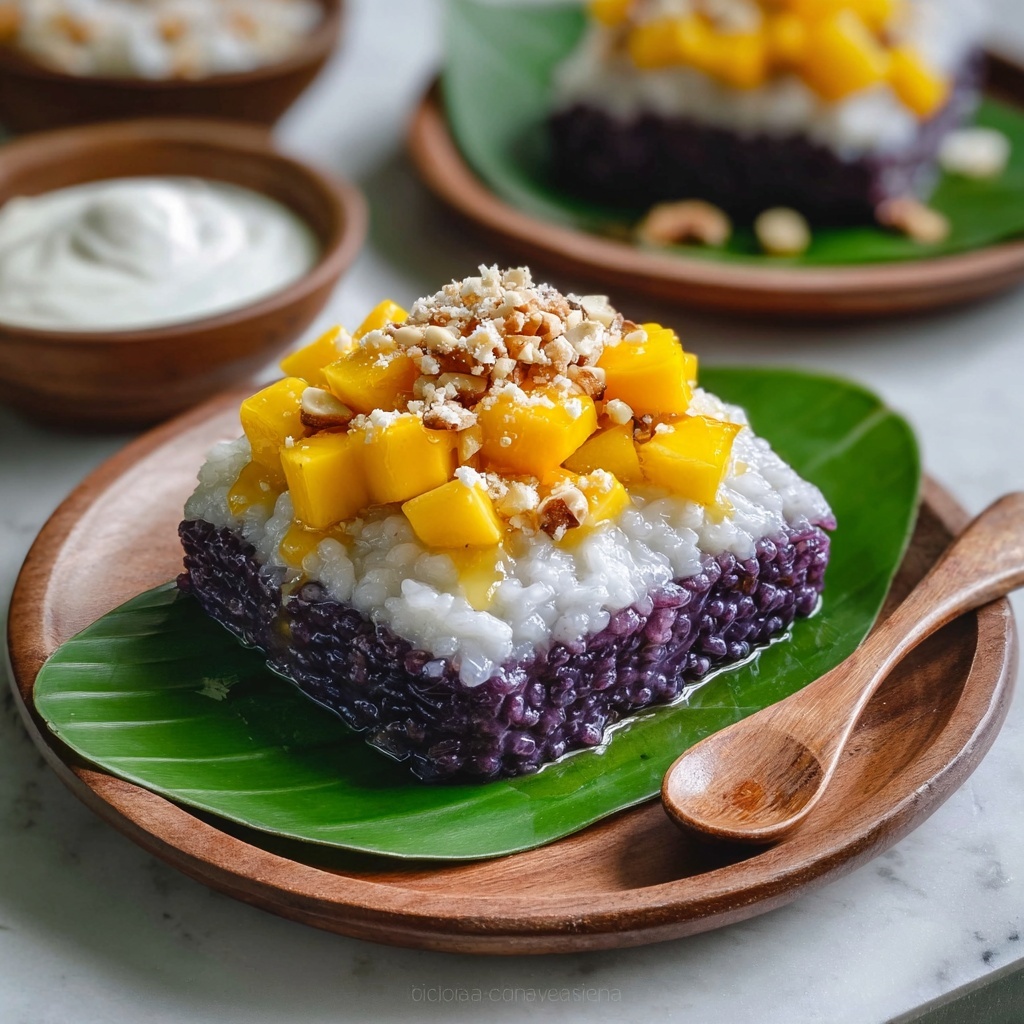
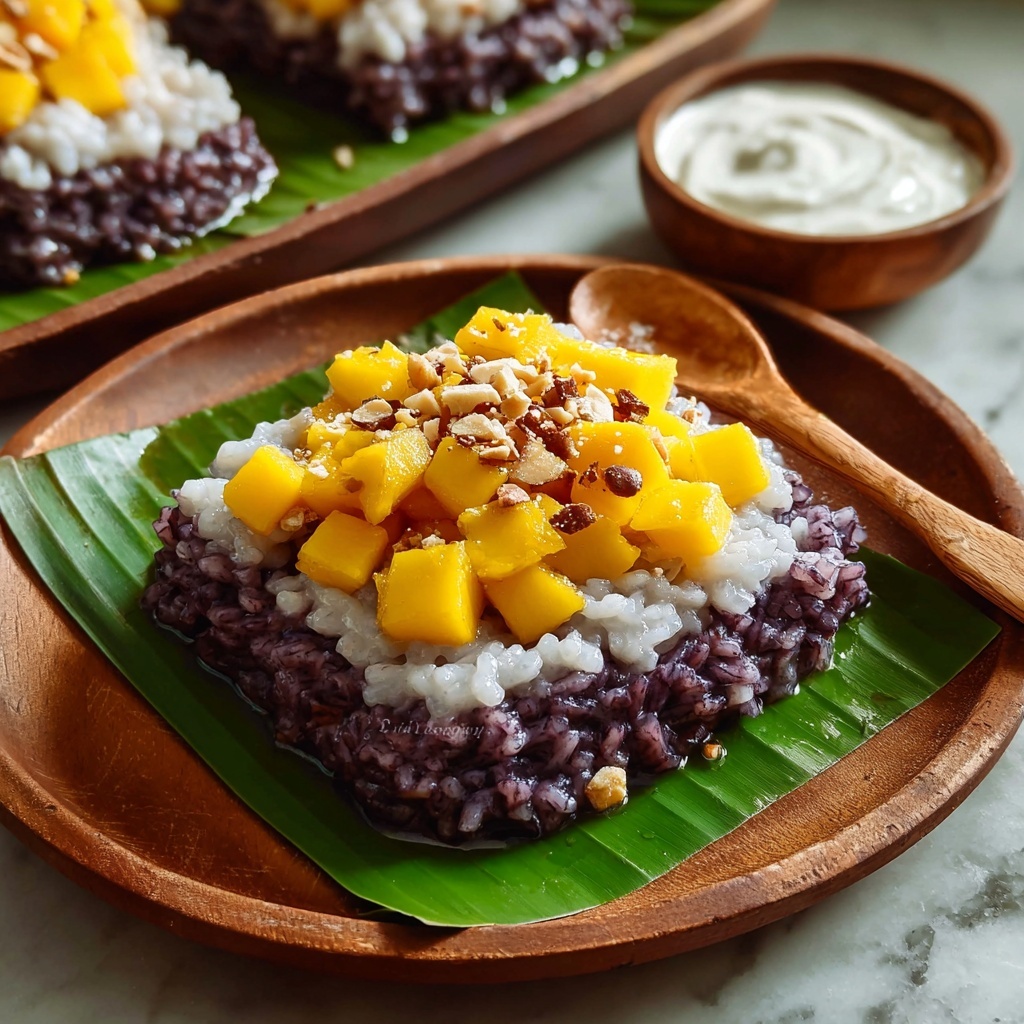
To serve, carefully mold the sticky coconut rice onto plates. Arrange the mango slices alongside or on top, pour over the remaining coconut sauce, and if you like, sprinkle toasted sesame seeds or mung beans for that little nutty crunch that rounds out each bite beautifully.
How to Serve Thai Mango Sticky Rice Recipe
Garnishes
Simple garnishes like toasted sesame seeds or lightly roasted mung beans add a delightful crunch and contrast to the creamy texture of the sticky rice. You could also try sprinkling shredded coconut or a few mint leaves for an extra touch of freshness and color.
Side Dishes
This dessert shines perfectly on its own, but if you want to create a complete Thai-inspired meal, consider pairing it with light appetizers such as fresh spring rolls or a crisp papaya salad. The balance between savory and sweet will make your meal feel well-rounded and satisfying.
Creative Ways to Present
For an elegant presentation, try serving the Thai Mango Sticky Rice Recipe in small glass jars layered with coconut sauce and mango slices. You can also use leaf plates or banana leaves as a traditional touch that instantly transports your guests to a tropical paradise.
Make Ahead and Storage
Storing Leftovers
If you have any leftovers, store the sticky rice and mango separately in airtight containers in the refrigerator. The mango can become watery if left too long with the rice, so keeping them apart helps retain their best texture and flavor.
Freezing
It’s best to avoid freezing this dessert because the texture of sticky rice and fresh mango changes significantly after freezing. For the freshest taste and ideal consistency, enjoy your Thai Mango Sticky Rice Recipe fresh or within a day or two of making it.
Reheating
To reheat leftover sticky rice, gently steam it or warm it covered in the microwave with a sprinkle of water to keep it moist. Avoid overheating, as that can dry out the rice and alter its texture.
FAQs
Can I use regular rice instead of glutinous rice?
Regular rice will not give you the same sticky and chewy texture that glutinous rice provides. For an authentic Thai Mango Sticky Rice Recipe, glutinous rice is the best choice.
How ripe should the mangoes be?
Choose mangoes that are ripe but still firm. Overripe mangoes can be too soft and mushy, which may affect the presentation and texture of the dish.
Is there a substitute for coconut milk?
Full-fat coconut milk is ideal for creaminess and flavor. While you could use a lighter version, it will change the richness of the sauce. Dairy milk or other plant-based milks won’t provide the same authentic taste.
Can I prepare the sticky rice without a steamer?
If you don’t have a steamer, you can cook the glutinous rice in a heavy-bottomed pot with a tight lid by simmering gently and stirring occasionally, but steaming ensures the best texture with less risk of burning.
What should I do if the coconut sauce is too thick or too thin?
If it’s too thick, simply whisk in a small splash of warm water to loosen it. If too thin, heat it a little longer over low heat, stirring frequently until it reaches your desired consistency.
Final Thoughts
This Thai Mango Sticky Rice Recipe is one of those magical dishes that feels special yet simple enough to make on any day you are craving something sweet and satisfying. From the tender coconut-infused rice to the bright and juicy mango, every bite brightens up your mood with tropical delight. Give it a go and watch how it quickly becomes a beloved favorite that you’ll want to share again and again.
Print
Thai Mango Sticky Rice Recipe
- Prep Time: 10 minutes (excluding rice soaking time)
- Cook Time: 30 minutes
- Total Time: 40 minutes
- Yield: 4 servings
- Category: Dessert
- Method: Steaming
- Cuisine: Thai
- Diet: Gluten Free
Description
Thai Mango Sticky Rice is a beloved traditional dessert featuring sweet, sticky glutinous rice paired with ripe mango slices and rich coconut sauce. This recipe captures the authentic flavors with perfectly steamed sticky rice, creamy coconut milk infused with sugar and salt, and fresh mango, bringing a harmonious balance of creamy, sweet, and fruity elements that’s simple to prepare and delightfully satisfying.
Ingredients
Sticky Rice
- 1 cup glutinous rice (soaked overnight)
Coconut Sauce
- 1 cup full-fat coconut milk
- ½ cup granulated sugar
- ¼ teaspoon salt
Fruit and Garnish
- 2 ripe mangoes (peeled and sliced)
- Toasted sesame seeds or mung beans (optional, for garnish)
Instructions
- Rinse the rice: Rinse the soaked glutinous rice under cold water until the water runs clear to remove excess starch and ensure clean grains.
- Steam the rice: Drain the rice and place it in a lined steamer; steam for about 30 minutes until the rice becomes sticky and translucent, indicating it is fully cooked.
- Prepare the coconut sauce: While the rice is steaming, combine coconut milk, granulated sugar, and salt in a saucepan over low heat. Whisk gently until the sugar dissolves completely, forming a smooth sweet coconut sauce.
- Combine rice and sauce: Transfer the hot steamed rice to a bowl and pour half of the warm coconut sauce over it. Mix gently to coat the rice evenly, then cover and let it sit for 15 minutes to absorb the flavors and soften further.
- Slice the mangoes: Peel the ripe mangoes and cut them into thin wedges or slices, ready for serving.
- Assemble the dessert: Mold portions of the sticky rice onto plates, arrange mango slices alongside or on top, drizzle with the remaining coconut sauce, and sprinkle toasted sesame seeds or mung beans if desired for a delightful texture and garnish.
Notes
- Soaking glutinous rice overnight is essential for achieving the right sticky texture.
- Use ripe, sweet mangoes for the best flavor contrast.
- Steaming rice in a lined steamer prevents sticking and ensures even cooking.
- You can substitute mung beans with toasted sesame seeds for garnish to add a nutty flavor.
- Adjust sugar in the coconut sauce to taste depending on the sweetness of your mangoes.