“`html
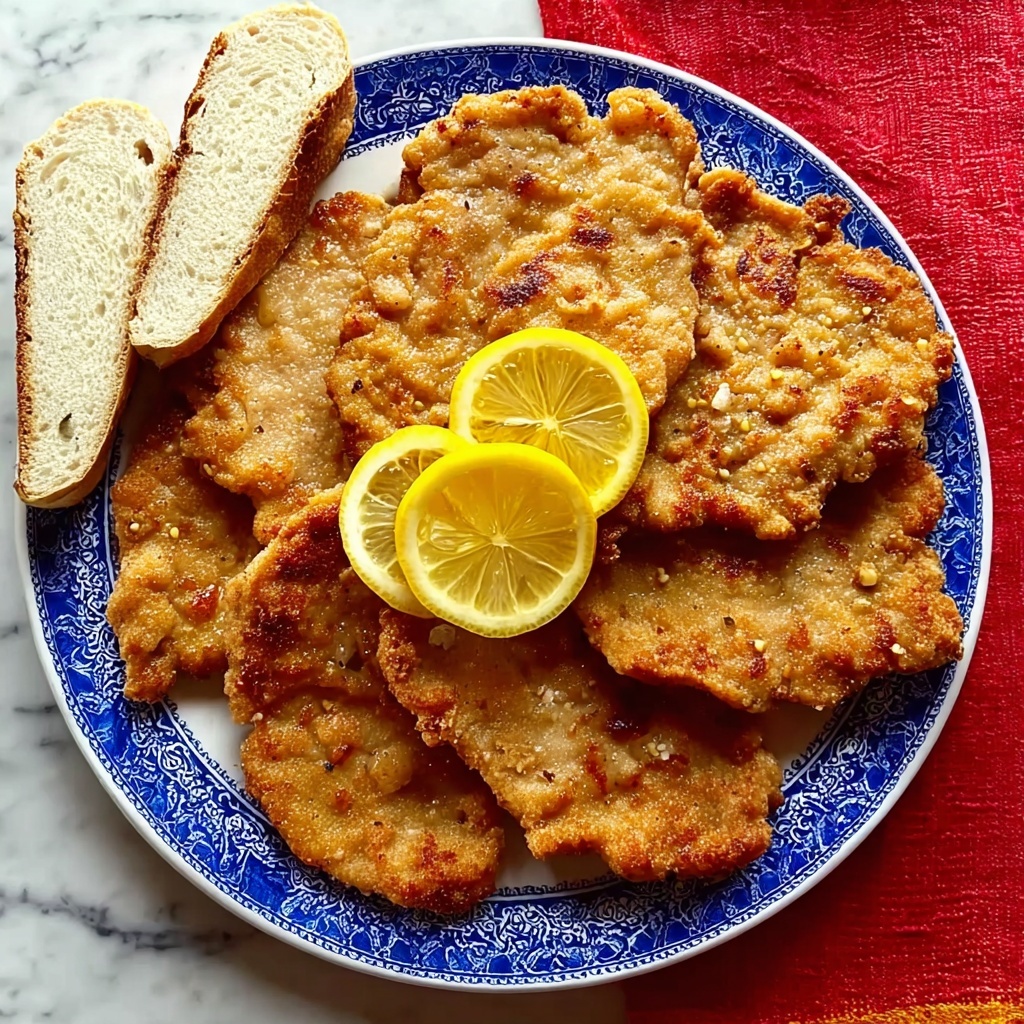
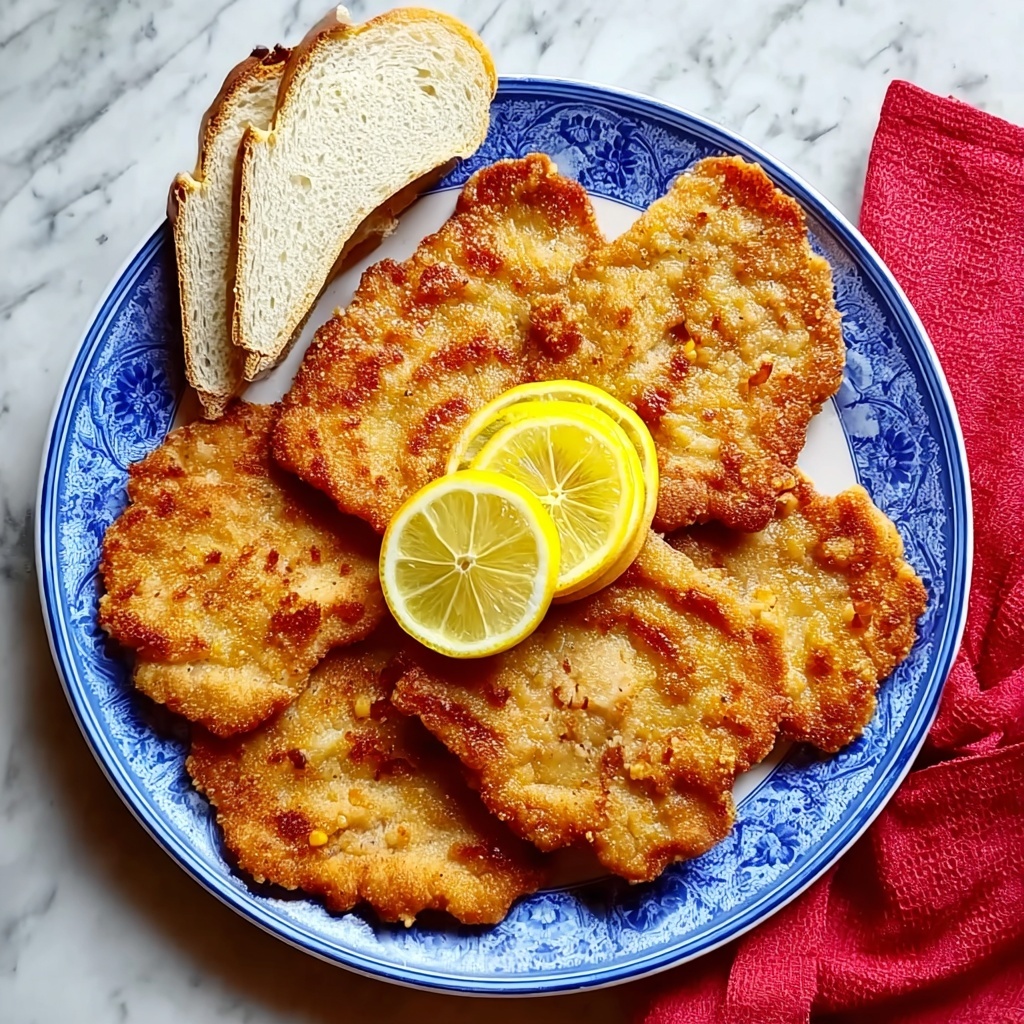
If you’re craving a dish that’s elegant yet incredibly simple to prepare, the Scaloppine Al Limone Recipe is an absolute must-try. This Italian classic features tender, thinly pounded veal fillets coated in delicate flour, pan-fried to golden perfection, and finished with a luscious lemon-butter sauce that brings bright, vibrant notes to every bite. It’s a dish full of freshness, subtle richness, and that unmistakable Italian charm that elevates even the most casual dinner into something truly special.
Ingredients You’ll Need
These ingredients are beautifully straightforward, yet each plays an essential role in creating the signature flavor and texture that make Scaloppine Al Limone so unforgettable. From the delicate veal to the zingy lemon and the silky butter, every element complements one another perfectly.
- 8 veal fillets, ⅛ inch thick: Thinly sliced veal ensures quick cooking and a tender bite that melts in your mouth.
- ½ cup (60 g) type “00” flour: This finely milled flour creates a light coating for the veal, helping it crisp beautifully in the pan.
- 2 Tbsp (30 ml) extra virgin olive oil (EVOO): A high-quality olive oil adds depth and a subtle fruitiness to the frying process.
- 1 lemon (juice and slices): Fresh lemon juice and slices provide the zesty brightness that defines this scaloppine dish.
- ⅛ cup (30 ml) white wine: A splash of white wine deglazes the pan, lifting up caramelized bits for a more complex sauce.
- 1 Tbsp (14 g) butter: Butter rounds out the sauce with its creamy richness and helps bind all the flavors together.
- Fine sea salt, to taste: Adds essential seasoning, enhancing both the veal and sauce.
- Fresh cracked pepper, to taste: Provides a gentle spicy kick that balances the lemon’s acidity.
How to Make Scaloppine Al Limone Recipe
Step 1: Pound the Veal
First thing’s first: wrap each veal fillet tightly in plastic wrap. Gently pound them with a meat cleaver or a rolling pin, starting from the center and working outward until each fillet is about ⅛ inch thick. This process not only tenderizes the meat but ensures that each piece cooks evenly and stays juicy without drying out.
Step 2: Season Generously
Once you unwrap your perfectly pounded veal, place the fillets on a plate and season both sides liberally with fine sea salt and freshly cracked pepper. Don’t be shy here — seasoning is key to unlocking deep, savory flavors in every bite.
Step 3: Prepare the Flour
In a shallow bowl, mix the ½ cup of type “00” flour with a pinch of salt and pepper. Whisk everything well so the seasoning is evenly dispersed throughout the flour. This will give the veal a beautiful, even coating and prevent any clumps when you dredge the meat.
Step 4: Dredge the Veal
Now it’s time to dust those fillets! Lay each seasoned veal piece into the flour mixture, making sure both sides are completely coated. Give each piece a gentle shake to remove any excess flour, then set them on a clean dish ready for frying.
Step 5: Heat the Oil
Drizzle the extra virgin olive oil into a large sauté pan and heat over medium-high. You want the oil shimmering and hot enough to sizzle the veal upon contact — this will ensure a golden-brown crust without sticking or burning.
Step 6: Fry the Fillets
Carefully place the veal fillets in the hot oil, taking care not to overcrowd the pan. Cook each fillet for about 2 minutes on one side until it turns a gorgeous golden brown. Flip and cook for an additional minute. The veal should be perfectly cooked—tender with a slightly crisp exterior. Remove and place on a clean plate and repeat with the remaining fillets.
Step 7: Deglaze the Pan
Reduce the heat to low and pour in the white wine. Use a wooden spoon to scrape up all the browned bits stuck to the pan. These caramelized morsels add incredible depth and a subtle sweetness to your sauce, making it impossible to resist.
Step 8: Make the Sauce
Add the tablespoon of butter and two lemon slices to the pan. Let it simmer gently for a couple of minutes, allowing the butter to melt and integrate with the wine and lemon—a harmonious, velvety sauce begins to form right here.
Step 9: Combine and Serve
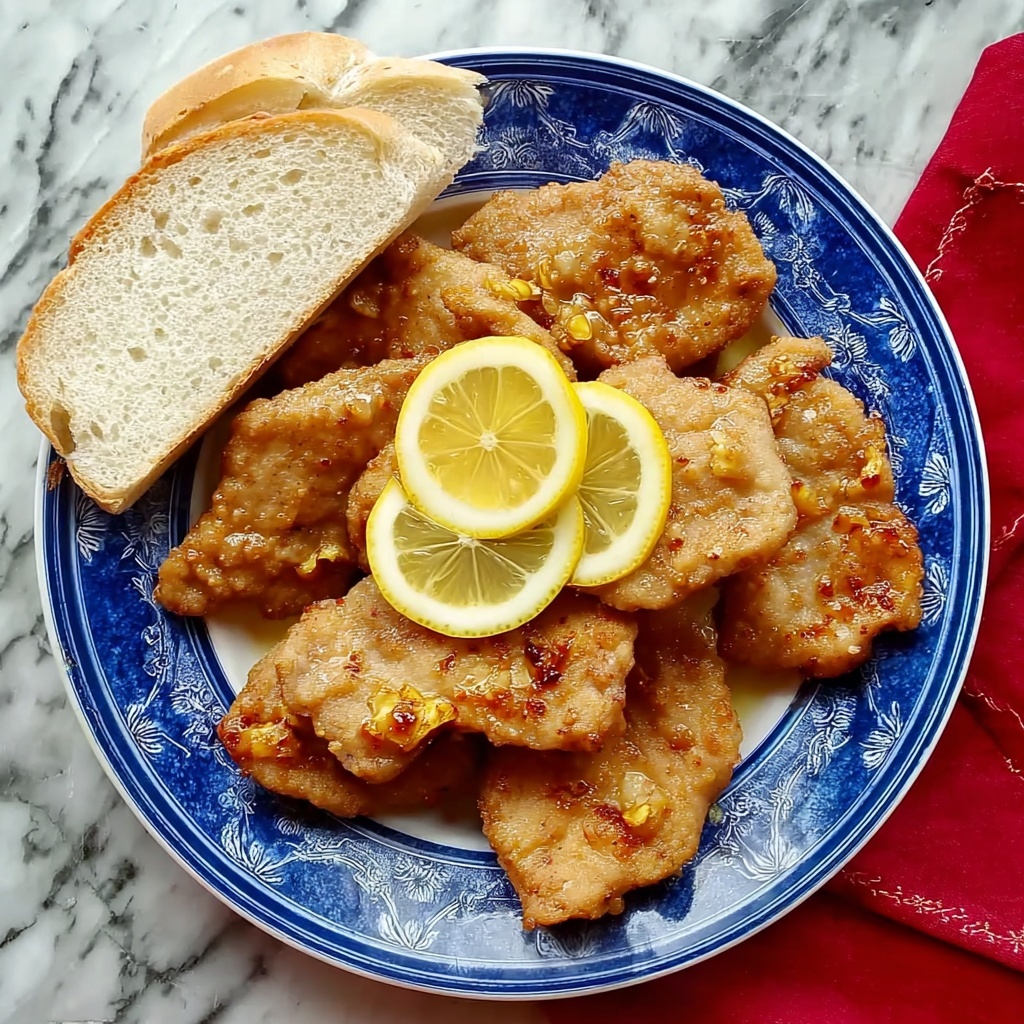
Return the veal fillets to the pan, then squeeze fresh lemon juice over them. Turn off the heat and gently turn the fillets so they soak up that luscious sauce. Transfer everything to a serving platter, pour over any remaining pan juices, and arrange the lemon slices on top for a pop of color and extra zing.
How to Serve Scaloppine Al Limone Recipe
Garnishes
Fresh herbs like flat-leaf parsley or a few twists of lemon zest make perfect garnishes. They enhance the bright lemon flavor and add an inviting burst of green that lifts the whole presentation.
Side Dishes
This dish pairs beautifully with simple sides like creamy risotto, buttered pasta, or a light arugula salad. These accompaniments soak up the lemony sauce and balance the veal’s richness without overpowering it.
Creative Ways to Present
For a centerpiece-worthy presentation, serve the Scaloppine Al Limone Recipe family-style on a beautiful platter with whole lemon wedges and sprigs of fresh herbs. Drizzle with a little extra lemon juice right at the table to amp up the freshness just before digging in. It makes for a stunning and interactive dining experience!
Make Ahead and Storage
Storing Leftovers
If you have any leftovers, store them in an airtight container in the refrigerator. They will keep well for up to two days, though the veal is best enjoyed fresh to maintain its juicy tenderness and crisp coating.
Freezing
Freezing Scaloppine Al Limone is not recommended, as reheating tends to affect the delicate texture of the veal and the fresh lemon sauce. For best results, cook what you need and enjoy immediately.
Reheating
To gently reheat, place the veal in a single layer in a cold skillet with a splash of water or broth. Warm over low heat, spooning some of the sauce over the fillets to keep them moist. Avoid the microwave to preserve texture and flavor.
FAQs
Can I use chicken or pork instead of veal?
Absolutely! While veal is traditional for Scaloppine Al Limone, thinly pounded chicken breast or pork cutlets work beautifully and may be easier to find. Adjust cooking times slightly as needed.
Is type “00” flour necessary?
Type “00” flour is preferred for its fine texture, giving a delicate coating. If unavailable, all-purpose flour can be used, but expect a slightly coarser crust.
Can I make the sauce without wine?
If you prefer to skip the wine, you can substitute with a bit of chicken broth and a splash of white wine vinegar or just lemon juice. It won’t be exactly the same, but still delicious.
How do I know when the veal is cooked?
Veal scaloppine cooks very quickly due to its thinness. The exterior should be golden brown and the meat just firm to the touch but still tender—about 3 minutes total per fillet.
What’s the secret to a silky lemon sauce?
Patience is key! Let the butter melt slowly in the pan and whisk it gently with the lemon and wine juices off the heat. This careful technique creates that luxurious, silky texture.
Final Thoughts
There’s something truly magical about a dish that comes together quickly but tastes like you spent hours on it, and the Scaloppine Al Limone Recipe is that kind of magic. It’s bright, tender, and full of warmth—the perfect way to bring a little Italian sunshine to your table any day of the week. I can’t wait for you to try it and make it a new favorite as you share it with friends or family!
“`
Print
Scaloppine Al Limone Recipe
- Prep Time: 10 minutes
- Cook Time: 10 minutes
- Total Time: 20 minutes
- Yield: 4 servings
- Category: Main Course
- Method: Frying
- Cuisine: Italian
Description
Scaloppine al Limone is a classic Italian dish featuring thinly pounded veal fillets lightly dredged in seasoned flour, pan-fried to golden perfection, and finished with a delicate lemon-butter and white wine sauce. This elegant yet simple recipe delivers tender, flavorful veal with a bright citrusy finish, perfect for a refined dinner served in just 20 minutes.
Ingredients
Veal
- 8 veal fillets, about ⅛ inch (3 mm) thick
Coating & Seasoning
- ½ cup (60 g) type “00” flour
- Fine sea salt, to taste
- Fresh cracked pepper, to taste
Cooking & Sauce
- 2 Tbsp (30 ml) extra virgin olive oil (EVOO)
- 1 lemon (juice and 2 slices for garnish)
- ⅛ cup (30 ml) white wine
- 1 Tbsp (14 g) butter
Instructions
- Pound the Veal: Wrap each veal fillet tightly in plastic wrap. Using a meat cleaver, gently pound the fillets from the center outward until about ⅛ inch (3 mm) thick. Flip and pound the other side similarly to ensure even thickness and tenderness.
- Season Generously: Unwrap the fillets and place on a plate. Season both sides well with fine sea salt and fresh cracked pepper according to your taste preferences.
- Prepare the Flour: In a shallow bowl, combine ½ cup (60 g) type “00” flour with salt and pepper to taste. Whisk thoroughly to evenly distribute seasoning and prevent clumping.
- Dredge the Veal: Coat each seasoned veal fillet completely on both sides in the seasoned flour. Shake off excess flour and place on a clean dish. Repeat with all fillets.
- Heat the Oil: Drizzle 2 tablespoons (30 ml) extra virgin olive oil into a large deep sauté pan. Heat over medium-high until shimmering and hot enough to sauté without sticking.
- Fry the Fillets: Add veal fillets carefully to the hot oil without overcrowding. Fry each fillet for 2 minutes on one side until golden brown, flip and cook 1 additional minute. Remove and place on a clean dish. Repeat with remaining fillets.
- Deglaze the Pan: Reduce heat to low. Pour ⅛ cup (30 ml) white wine into the pan. Using a wooden spoon, scrape up all caramelized browned bits from the pan bottom to build sauce flavor.
- Make the Sauce: Add 1 tablespoon (14 g) butter and 2 slices of lemon to the pan. Let simmer gently for a couple of minutes until butter melts and melds with the lemon.
- Combine and Serve: Return veal fillets to the pan, squeeze fresh lemon juice over them. Turn off heat and gently toss fillets to coat evenly with sauce. Transfer to serving platter, pour remaining juices on top, and arrange lemon slices as garnish.
Notes
- Type “00” flour is ideal for light coating but all-purpose flour can be substituted if unavailable.
- Pounding the veal evenly ensures consistent cooking and tender texture.
- Do not overcrowd the pan when frying to maintain a crisp golden crust.
- Use fresh lemon juice for the best bright citrus flavor in the sauce.
- Serve immediately for optimal tenderness and taste.