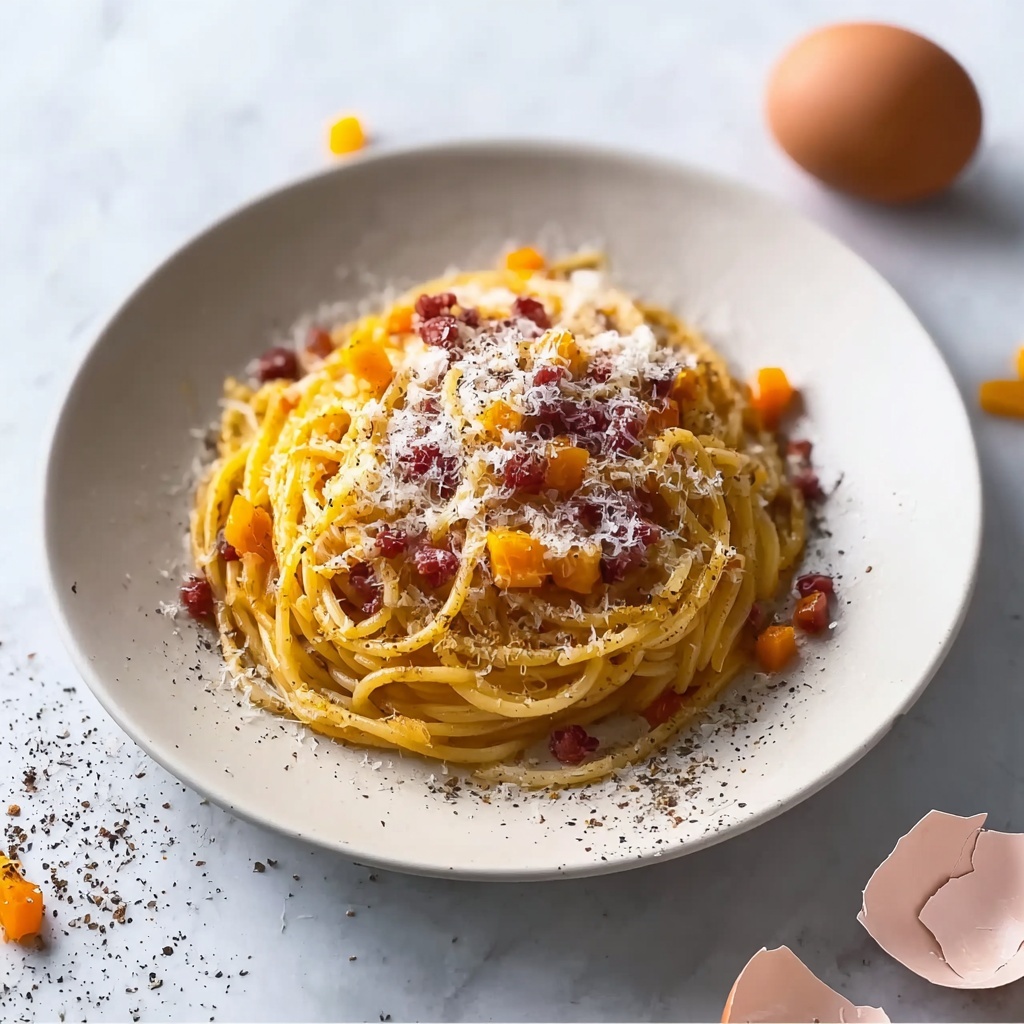
There is something utterly magical about the creamy, indulgent flavors of a traditional Spaghetti Alla Carbonara Recipe. This classic Italian dish is deceptively simple, combining a handful of everyday ingredients into a silky sauce that clings perfectly to every strand of spaghetti. That’s the beauty of carbonara — it relies on quality ingredients and technique rather than long ingredient lists or complicated steps, making it a treasured comfort meal that feels like a special occasion every time.
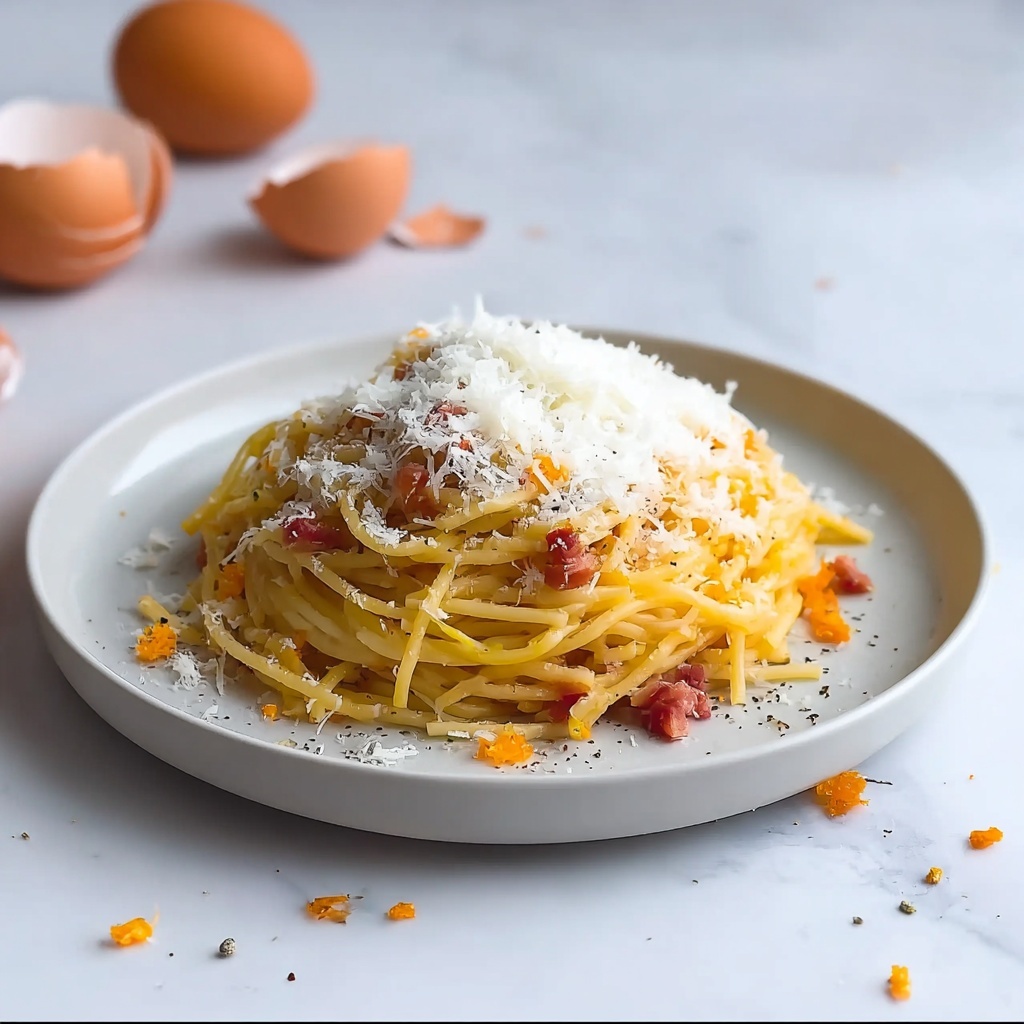
Ingredients You’ll Need
Gathering the right ingredients is key because each one plays an essential role — the guanciale provides savory richness, the cheese adds a sharp tang, and the eggs create that luscious, creamy sauce. With just a few components, you will craft something extraordinary.
- 400 g (14 oz) spaghetti: High-quality durum wheat pasta ensures the perfect al dente texture you want for a classic carbonara.
- 175 g (6 oz) guanciale: This cured pork cheek brings unmatched flavor and crispy texture, but pancetta can be a substitute if needed.
- 2 large eggs + 2 egg yolks: Using both whites and yolks yields a rich yet silky sauce that clings beautifully to the pasta.
- 100 g (3.5 oz) Pecorino Romano or Parmesan cheese: Freshly grated for optimal sharpness and depth; Pecorino offers a more traditional salty bite.
- 1 tbsp cooking salt: Needed to season the pasta water which enhances the overall flavor of the dish.
- 1/4 tsp freshly cracked black pepper: Adds a subtle heat and aromatic kick—plus extra for serving is always welcome.
- 1 clove garlic (optional): A little garlic can add a mellow background flavor when cooked with the guanciale.
- Extra-virgin olive oil (optional): Just a drizzle for tossing pasta if it starts sticking before sauce application.
- 1/2 cup reserved pasta cooking water: This starchy water is the secret to creating the creamy sauce without cream.
How to Make Spaghetti Alla Carbonara Recipe
Step 1: Cook the Spaghetti Perfectly
Start by bringing 4 liters of water to a boil and seasoning it generously with 1 tablespoon of salt. Cooking the spaghetti until just al dente is vital; you want a firm bite that will stand up to the creamy sauce and avoid mushiness. Before draining, reserve a cup of the pasta water — this starchy liquid is your secret weapon for a silky sauce.
Step 2: Crisp the Guanciale to Perfection
While your pasta is cooking, heat a non-stick pan over medium-high heat and add the sliced guanciale batons. Cook them until golden and crispy, letting their fat render out—this flavorful fat forms the base of the sauce. If you like, add minced garlic in the final minute to infuse gentle aromatic notes without overpowering the dish. No extra oil needed here;
Step 3: Prepare the Creamy Egg and Cheese Mixture
In a large mixing bowl, whisk together the two whole eggs and two yolks until smooth. Then fold in the freshly grated Pecorino Romano and a pinch of cracked black pepper to create a luxurious base for the sauce. This mixture, once combined with the pasta and reserved cooking water, will transform into that signature carbonara creaminess.
Step 4: Combine Pasta with Guanciale Fat
Drain your pasta promptly and transfer it directly into the pan with the crispy guanciale and its rendered fat. Toss the strands to coat every bit in that rich, flavorful fat, ensuring each bite carries the essence of the cured pork. This step infuses the spaghetti with deep savory notes before the sauce even comes into play.
Step 5: Create the Silky Carbonara Sauce
Remove the pan from heat — this is crucial to prevent scrambling your eggs. Pour the pasta and guanciale fat into your bowl with the egg and cheese mixture. Add 1/2 cup of the reserved pasta water and stir vigorously. The residual heat gently cooks the eggs, bringing together a glossy, luscious sauce that hugs the spaghetti perfectly. If the sauce feels too thick, gradually add more pasta water until you reach a creamy, velvety consistency.
Step 6: Finish with Pepper and Serve Immediately
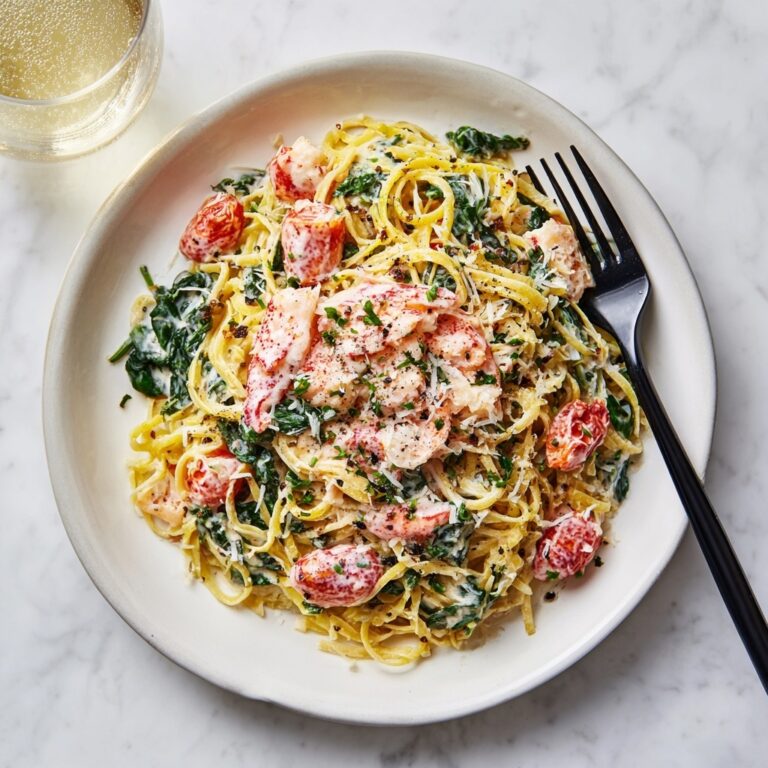
Give your carbonara a final taste and season with extra freshly cracked black pepper to elevate the flavor. Serve the Spaghetti Alla Carbonara Recipe piping hot, garnished with additional grated cheese and a sprinkle of black pepper. Twirling the pasta gracefully onto forks makes for an elegant presentation that will wow anyone at your table.
How to Serve Spaghetti Alla Carbonara Recipe
Garnishes
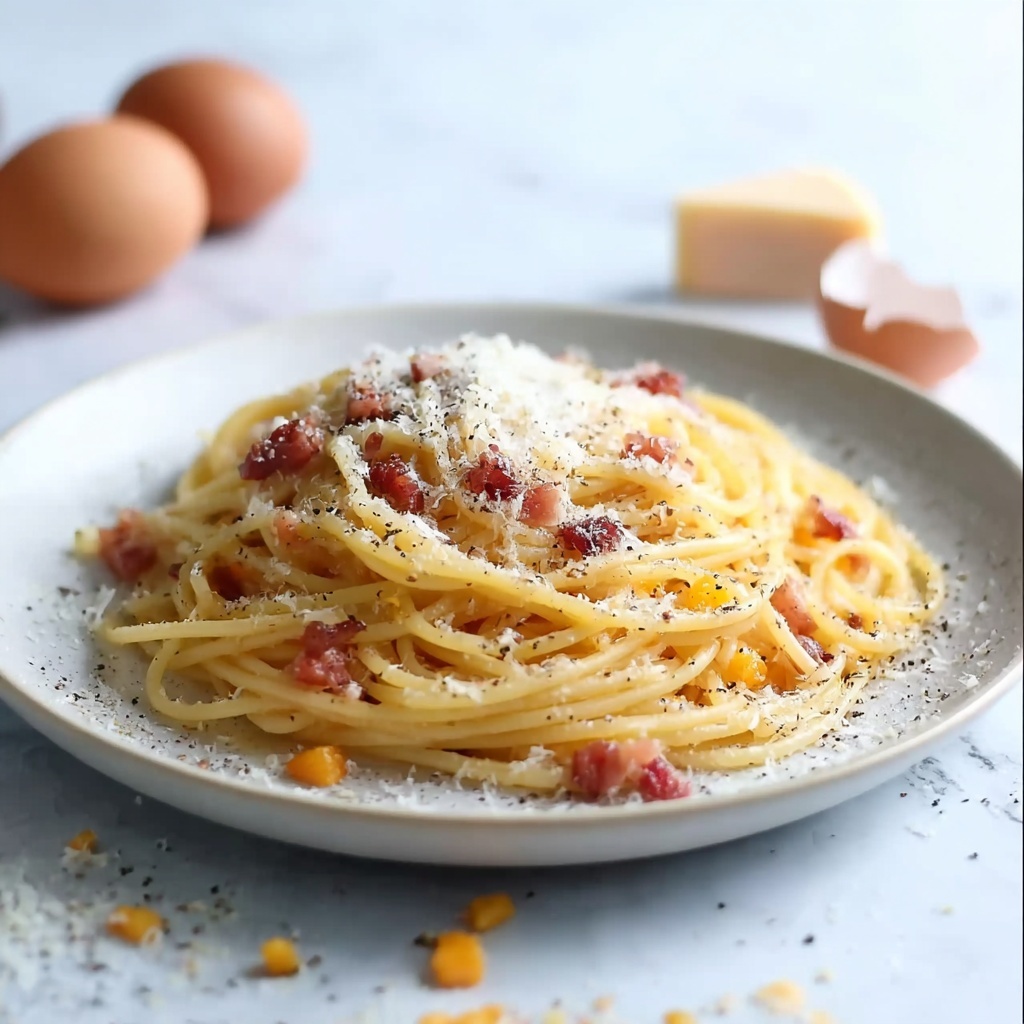
Simple garnishes like extra grated Pecorino Romano and a fresh crack of black pepper boost both flavor and visual appeal. A few fresh parsley leaves can add a pop of color without overwhelming the traditional taste. Resist the urge to add cream or heavy herbs — this dish shines with its authentic, minimalist charm.
Side Dishes
To complement the richness of the carbonara, serve alongside a crisp green salad tossed with a light vinaigrette or some roasted vegetables. A crusty bread is also fantastic to sop up any luscious leftover sauce and balances the meal nicely without stealing the spotlight.
Creative Ways to Present
For a fun twist on presentation, consider serving the carbonara in individual shallow bowls with pasta twirled succinctly into nests. This adds an Instagram-worthy elegance. Alternatively, pairing it with wine glasses of crisp white wine nearby enhances the dining experience with contrasting flavors and textures.
Make Ahead and Storage
Storing Leftovers
If you have any leftovers (which might be rare!), store them in an airtight container in the fridge for up to 2 days. The sauce tends to thicken, so adding a splash of warm water when reheating helps bring back the creamy consistency.
Freezing
Freezing carbonara is generally not recommended because the egg-based sauce can separate and become grainy when thawed. If you must, freeze only the pasta and guanciale separately without sauce and combine them freshly when ready to eat.
Reheating
To reheat, gently warm carbonara on the stove over low heat, stirring constantly and adding reserved pasta water bit by bit until the sauce loosens. Avoid microwaving as it might scramble the eggs and change the texture.
FAQs
Can I use bacon instead of guanciale?
Yes, while traditional carbonara uses guanciale, thick-cut unsmoked bacon can be a decent substitute if guanciale is hard to find, though the flavor will be slightly different.
Should I add cream to carbonara?
No, authentic Spaghetti Alla Carbonara Recipe relies solely on eggs, cheese, and pasta water to create its creamy texture — adding cream is unnecessary and alters the classic flavor.
Why does my carbonara sauce scramble?
This usually happens if the eggs are exposed to too much direct heat. To avoid scrambling, always remove the pan from heat when mixing the pasta with the egg mixture and stir vigorously.
What cheese is best for carbonara?
Pecorino Romano is traditional and offers a sharper, saltier bite, but Parmesan can work if you prefer a milder taste. Freshly grate it yourself for the best flavor.
Can I make carbonara without pasta?
While carbonara is synonymous with spaghetti or long pasta, you can experiment with other pasta types like rigatoni or bucatini; just be sure to adjust cooking times accordingly.
Final Thoughts
There is nothing quite like the joy of twirling strands of Spaghetti Alla Carbonara Recipe that’s rich, creamy, and bursting with the flavors of crispy guanciale and sharp Pecorino. This dish is a true testament to the beauty of simplicity done well. I encourage you to give it a go in your own kitchen — it’s a quick recipe filled with heart and soul that will surely become one of your new favorites.
Print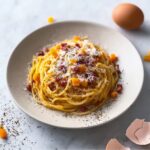
Spaghetti Alla Carbonara Recipe
- Prep Time: 5 minutes
- Cook Time: 15 minutes
- Total Time: 20 minutes
- Yield: 4 servings
- Category: Main Course
- Method: Stovetop
- Cuisine: Italian
Description
This classic Spaghetti Alla Carbonara recipe offers a rich, creamy pasta dish made with crispy guanciale, eggs, and Pecorino Romano cheese. Perfectly balanced, the silky sauce coats al dente spaghetti without any cream, showcasing traditional Italian flavors in just 20 minutes.
Ingredients
Pasta
- 400 g (14 oz) spaghetti, preferably high-quality durum wheat
- 1 tbsp (15 g) cooking salt, for pasta water
- 1/2 cup (120 ml) reserved pasta cooking water
Carbonara Sauce
- 175 g (6 oz) guanciale, sliced into 0.5 cm (1/5 inch) thick slices then cut into batons
- 2 large eggs + 2 egg yolks, room temperature preferred
- 100 g (3.5 oz) freshly grated Pecorino Romano or Parmesan cheese
- 1/4 tsp freshly cracked black pepper (more for serving)
- 1 clove garlic, minced (optional)
- Drizzle of extra-virgin olive oil (optional, for tossing pasta after draining if sticking)
Instructions
- Cook the pasta: Bring 4 liters (4 quarts) of water to a rolling boil with 1 tablespoon of cooking salt. Add the spaghetti and cook according to package instructions until al dente, which means having a slight bite. Before draining, measure and reserve 1 cup (240 ml) of the pasta cooking water. Drain the pasta immediately after reserving the water.
- Cook the guanciale: While the pasta cooks, heat a non-stick pan over medium-high heat. Add the sliced guanciale batons and cook for 4-5 minutes until golden and crispy, rendering its fat. If using garlic, add the minced clove during the last minute of cooking. No additional oil is needed.
- Prepare the egg mixture: In a large bowl, whisk together the two whole eggs and two egg yolks until smooth. Stir in the freshly grated Pecorino Romano (or Parmesan) cheese and 1/4 teaspoon freshly cracked black pepper until well combined.
- Toss pasta with guanciale fat: Immediately after draining, transfer the hot pasta directly into the pan with the crispy guanciale fat. Toss thoroughly to coat the pasta strands evenly in the rendered fat.
- Make the carbonara sauce: Remove the pan from heat to avoid direct heat scrambles. Transfer the pasta and guanciale fat into the bowl with the egg and cheese mixture. Add 1/2 cup (120 ml) of the reserved pasta cooking water and stir vigorously to combine. The residual heat will gently cook the eggs, creating a creamy sauce without scrambling. If too thick, gradually add more pasta water by the tablespoon until the desired creaminess is achieved.
- Serve: Taste and season with additional freshly cracked black pepper as desired. Serve immediately in warm bowls garnished with extra grated Pecorino and a pinch of black pepper. Optionally, twirl pasta elegantly onto forks for presentation.
Notes
- Use guanciale if possible for authentic flavor; pancetta is a common substitute.
- Do not add cream; the sauce’s creaminess comes from eggs and cheese with pasta water.
- Make sure eggs are at room temperature to prevent scrambling when mixed with hot pasta.
- Reserve enough pasta water to adjust sauce consistency as needed.
- Serve immediately to enjoy the sauce at its best texture.