If you’ve ever longed for that perfect, glossy, and fluffy meringue but need a vegan twist, then this Vegan Italian Meringue Recipe is about to be your new obsession. It captures all the luscious texture and sweetness of traditional Italian meringue but uses aquafaba as the star ingredient, making it entirely plant-based without sacrificing any of the magic. Whether you’re topping a rich brownie, dolloping on pies, or just craving an airy treat, this recipe blends simplicity with incredible flavor and technique to elevate your dessert game instantly.
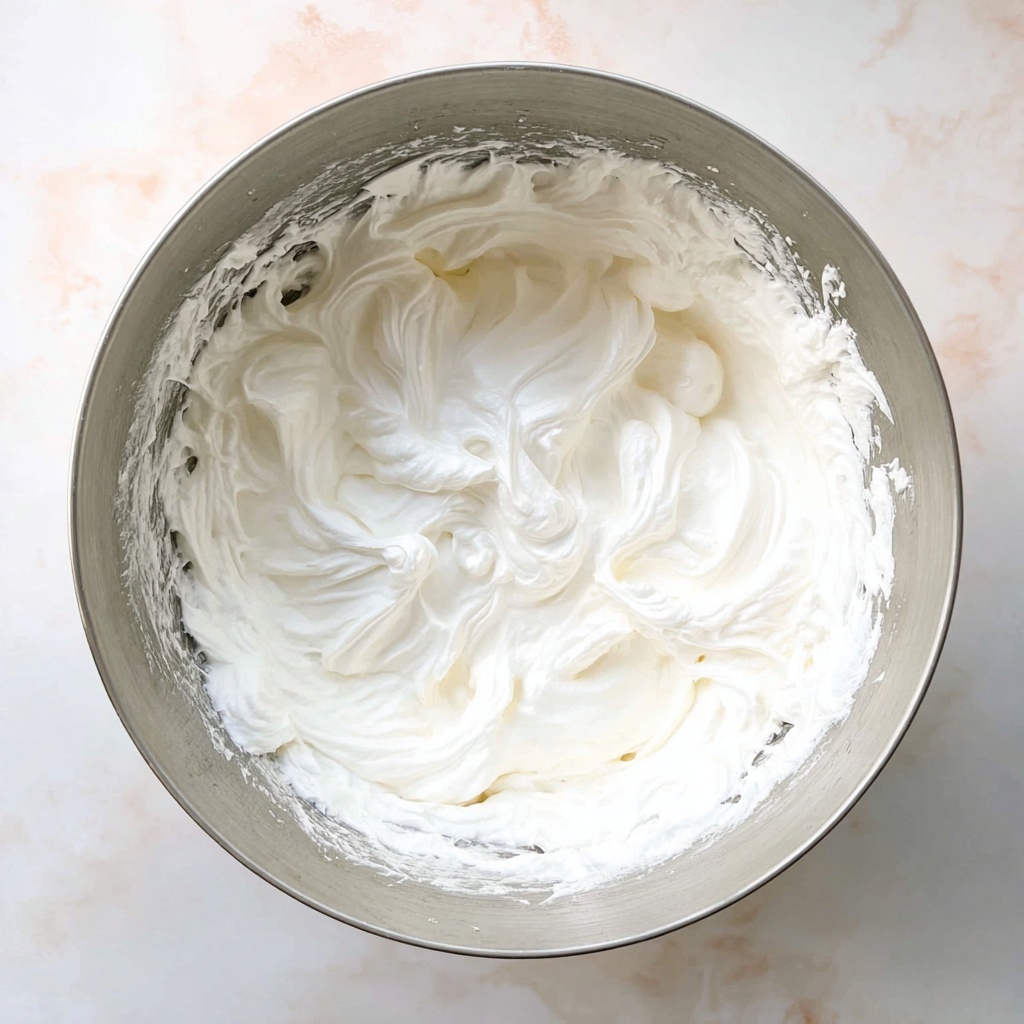
Ingredients You’ll Need
Getting started with this Vegan Italian Meringue Recipe is a breeze because it calls for just a handful of ingredients, all straightforward and pantry-friendly. Each component plays a vital role in crafting that perfectly stable, glossy meringue that holds its shape and melts in your mouth.
- Aquafaba (234 g): This is the magical liquid from cooked chickpeas that whips into soft peaks, mimicking egg whites perfectly.
- Caster sugar (200 g): Finely ground for quick dissolving, it sweetens the meringue without any graininess.
- Water (60 ml): Helps dissolve the sugar into a smooth syrup for that glossy finish.
- Cream of tartar (¼ teaspoon): Adds acidity that stabilizes the aquafaba, helping keep your meringue fluffy and firm.
How to Make Vegan Italian Meringue Recipe
Step 1: Reduce the Aquafaba
Begin by transferring your aquafaba to a saucepan and bringing it to a gentle boil. Then reduce the heat and let it simmer until it reduces down to about half a cup. This concentrated aquafaba means your meringue will have more volume and stronger structure—just keep an eye on the measurement as you go. Once reduced, pour it into a jar and refrigerate. This step can be done ahead, giving you flexibility to prep in advance.
Step 2: Whip Aquafaba with Cream of Tartar
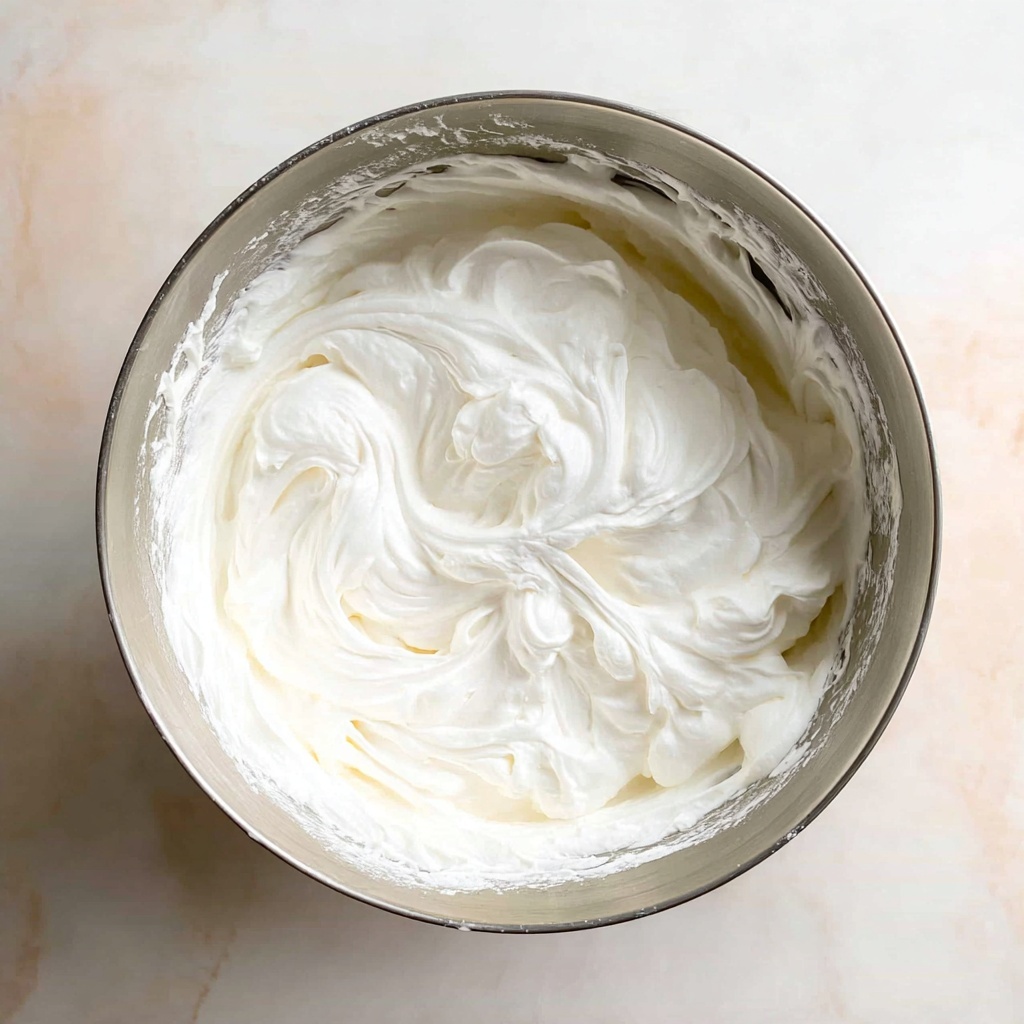
Next, make sure your mixing bowl is spotless and completely dry—this makes all the difference in getting the right peaks. Add the chilled reduced aquafaba and cream of tartar, then whisk on high speed for about 10 minutes or until soft peaks form. You’ll see the mixture start to turn white, fluffy, and slightly glossy; this is your meringue starting to come to life.
Step 3: Prepare the Sugar Syrup
In a separate saucepan, combine the caster sugar with the water, stirring just enough to mix them into a thick paste. Let it sit without stirring for a minute—this ensures the sugar fully dissolves before heating. This syrup is key to giving the meringue its signature shine and stability.
Step 4: Cook the Syrup to the Perfect Temperature
Place the saucepan on medium-high heat and allow the syrup to come to a simmer. Do not stir while it’s heating—resisting this impulse will keep your syrup crystal clear and silky smooth. Using a candy thermometer, monitor the temperature closely until it reaches 116°C (240°F), which typically takes around 10 to 12 minutes. This precise temperature is what gives Italian meringue its incredible texture.
Step 5: Incorporate Sugar Syrup into Aquafaba
Once your syrup hits the right temperature, slowly drizzle it into the whipped aquafaba while whisking continuously. Adding it gradually allows the hot syrup to gently cook the aquafaba, creating a stable and glossy mixture. It’s a bit like magic, watching the shine grow as you whisk.
Step 6: Whisk Until Stable and Glossy
Continue whisking the mixture for another 5 minutes after all the syrup is added. This ensures the meringue cools slightly and thickens up beautifully, holding those stiff peaks everyone’s after. Once ready, you can transfer it into a piping bag fitted with your favorite nozzle for elegant presentation.
Step 7: Use as Desired
Your Vegan Italian Meringue is now ready to elevate your favorite desserts, whether it’s dolloped on brownies, layered on a pavlova, or baked under a brûléed surface for a vegan baked Alaska that wows all guests.
Step 8: Store if Needed
If you aren’t using your meringue immediately, it keeps well in an airtight container in the refrigerator for up to 24 hours, maintaining that lovely texture and flavor.
How to Serve Vegan Italian Meringue Recipe
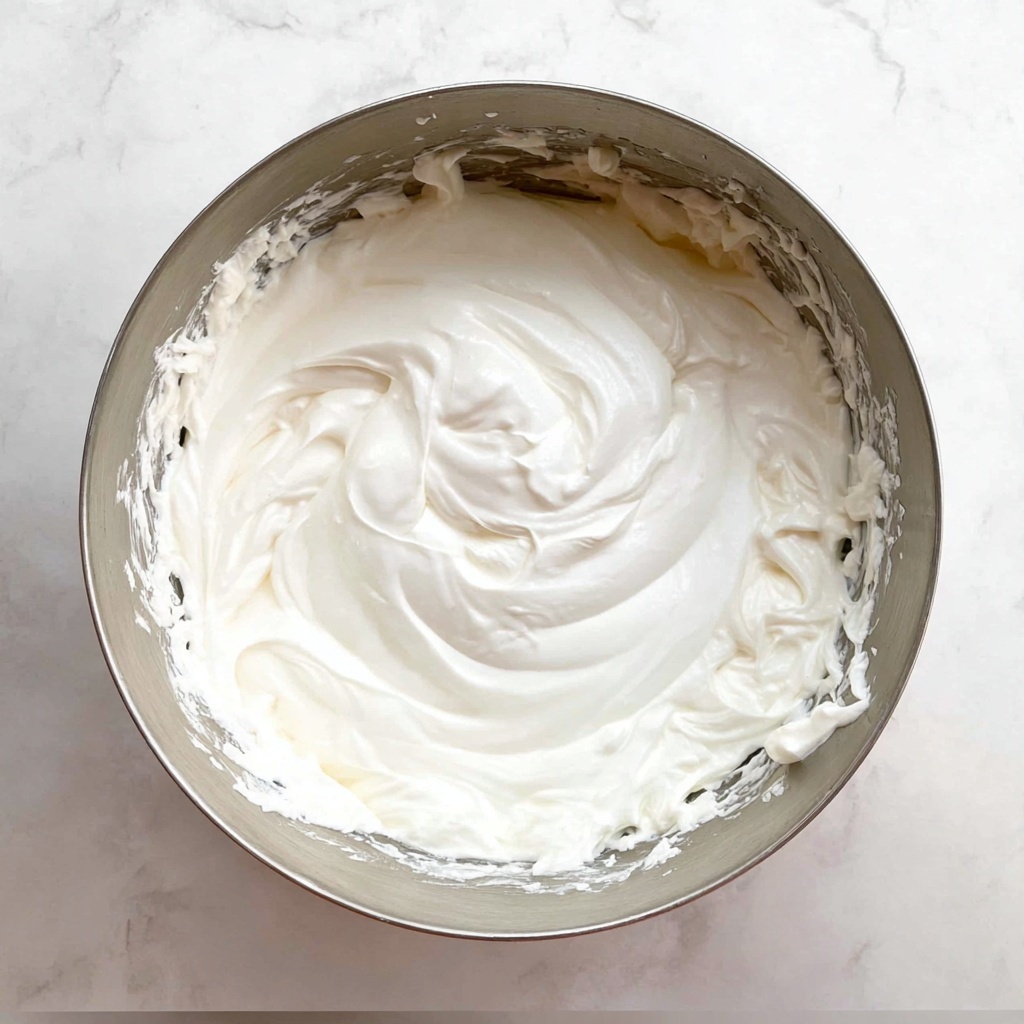
Garnishes
A sprinkle of crushed pistachios or toasted coconut flakes adds a wonderful textural contrast to the smooth, airy meringue. Fresh berries or a drizzle of vibrant fruit coulis not only add a pop of color but also balance the sweetness and make the dish feel fresh and lively.
Side Dishes
Pair your Vegan Italian Meringue with a crisp fruit tart or alongside dairy-free ice cream to create a delightful medley of textures and flavors. An espresso or herbal tea makes a perfect side beverage, complementing the sweetness with some warmth and slight bitterness.
Creative Ways to Present
Piping the meringue into elegant rosettes or whimsical shapes lets you personalize your dessert presentation. You can also torch the meringue lightly for a caramelized finish or layer it between vegan sponge cakes to create stunning layered treats that impress at any gathering.
Make Ahead and Storage
Storing Leftovers
Any leftover Vegan Italian Meringue can be kept fresh in an airtight container in the refrigerator for up to 24 hours. Be sure to cover it well to prevent it from absorbing other fridge odors or drying out, keeping it ready for a quick dessert fix.
Freezing
Freezing is not recommended for this meringue type because the airy texture can collapse and become weepy upon thawing. For best results, enjoy it fresh or within one day of making.
Reheating
This meringue does not require reheating, but if you prefer a warmed effect, gently torch the surface using a kitchen blowtorch to caramelize the outer layer without altering the airy interior. Avoid microwaving as it can deflate the meringue.
FAQs
Can I use canned chickpea liquid instead of homemade aquafaba?
Absolutely! Canned chickpea liquid works wonderfully and is a convenient shortcut. Just make sure to reduce it as the recipe suggests to intensify its whipping power for the best results in your Vegan Italian Meringue Recipe.
Is cream of tartar necessary in this recipe?
While not absolutely essential, cream of tartar helps stabilize the aquafaba, making the meringue firmer and longer-lasting. If you don’t have it, you can try a few drops of lemon juice, but results may vary slightly.
Can this meringue be baked like traditional meringue?
This Vegan Italian Meringue is best used as a soft, glossy topping rather than baked into a crisp shell. Baking it tends to dry out the aquafaba meringue and makes it lose its airy texture.
What are some common mistakes to avoid when making this meringue?
Make sure your bowl and whisk are completely clean and dry, and don’t overheat or underheat the sugar syrup. Also, adding the syrup too quickly or pouring while whisking too slowly can cause your meringue to deflate.
Can I flavor the meringue?
Yes! Once the meringue is stable, gently fold in natural extracts like vanilla or almond, or add citrus zest. Just be careful not to overmix or add too much liquid to maintain the perfect texture.
Final Thoughts
There’s nothing quite like nailing the perfect Vegan Italian Meringue Recipe—it’s a game-changer that brings plant-based baking to a whole new level of elegance and flavor. Whether you’re making it for a special occasion or just to brighten an ordinary day, this recipe is a delightful way to impress without eggs. Go ahead, give it a try, and watch your desserts transform into something truly spectacular!
Print
Vegan Italian Meringue Recipe
- Prep Time: 10 minutes
- Cook Time: 20 minutes
- Total Time: 30 minutes
- Yield: 12 servings
- Category: Dessert
- Method: Stovetop
- Cuisine: Italian
- Diet: Vegan
Description
This Vegan Italian Meringue recipe creates a fluffy, glossy, and stable meringue using aquafaba, the liquid from cooked chickpeas, as an egg white substitute. Perfect for topping desserts like brownies and baked Alaska, this meringue is a fantastic egg-free alternative that whips up with sugar syrup to achieve the classic Italian meringue texture and stability.
Ingredients
Vegan Italian Meringue
- 234 g aquafaba (liquid from chickpeas, see notes)
- 200 g caster sugar
- 60 ml water
- ¼ teaspoon cream of tartar
Instructions
- Reduce the Aquafaba: Add the aquafaba to a saucepan and bring it to a boil. Reduce the heat and let it simmer gently, checking after about 5 minutes until it has reduced to half a cup. Continue simmering if necessary. Once reduced, pour into a jar and refrigerate for at least one hour or overnight.
- Whip Aquafaba with Cream of Tartar: Ensure a large bowl is clean, dry, and grease-free. Add the chilled reduced aquafaba and cream of tartar and whisk on high speed for about 10 minutes until soft peaks form.
- Prepare Sugar Syrup: In a separate saucepan, combine caster sugar and water, stir gently, and let it sit for a minute until it forms a sugar paste.
- Cook Sugar Syrup: Place the saucepan over medium-high heat and allow the syrup to simmer without stirring. Monitor the temperature with a candy thermometer until it reaches 116°C (240°F), which usually takes 10-12 minutes.
- Incorporate Sugar Syrup: Slowly drizzle the hot sugar syrup into the whipped aquafaba while continuing to whisk, ensuring it is fully incorporated.
- Final Whisking: Continue whisking the mixture for another 5 minutes to achieve a glossy, stable meringue.
- Use or Store: Transfer the meringue to a piping bag fitted with your preferred nozzle and use immediately as a topping for desserts such as brownies or baked Alaska. Alternatively, store in an airtight container in the refrigerator for up to 24 hours before use.
Notes
- Reducing aquafaba helps concentrate the proteins for better whipping and stability.
- Use a clean, dry bowl free of grease to achieve maximum volume when whisking aquafaba.
- Do not stir the sugar syrup while it is heating to ensure proper crystallization.
- The cream of tartar stabilizes the aquafaba foam and helps maintain structure.
- Vegan Italian meringue can be stored refrigerated for up to 24 hours but is best used fresh for optimal texture.